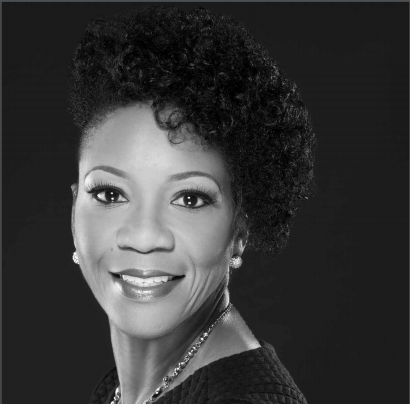
“As an organizer, I try to find out a little bit about the workers and what they care about,” Butler explains. “Most women are passionate about their children. They might not have had an education, so they’re passionate about paying that opportunity forward for their kids. So I try to help them see that organizing can help them provide for their children.”
While the company claims they pay some of the highest wages in the state, critics point out that Nissan’s wage levels are significantly below U.S. auto industry norms. One major reason is the firm’s heavy use of temporary labor. By some estimates, as many as 40 percent of the Canton plant’s workers are hired through employment agencies and the vast majority of these temporary workers are African American.
According to the UAW, Nissan’s temp workers were earning $12 per hour on average in 2013, about half the pay of higher-level workers employed directly by the company.
On top of pay and benefits complaints, workers at the Canton plant also have concerns about their safety on the job. In 2016, the Occupational Safety and Health Administration cited Nissan for two violations in this facility — for not covering or providing guardrails for open pits and for water and oil on the factory floors.
Meanwhile, Nissan CEO Carlos Ghosn has been keeping a huge chunk of the firm’s expanding profits for himself. Once known in France as “le cost killer” for slashing of tens of thousands of jobs, the auto exec pocketed nearly $10 million per year in 2015 and 2016 from the Japanese firm. Ghosn, who has taken home an additional multi-million-dollar paycheck as the head of Renault, will step down as Nissan CEO on April 1 to focus on the firm’s strategic partnerships with Renault and Mitsubishi.
In 2001, Ghosn personally intervened to block a UAW organizing drive at a Smyrna, Tennessee plant. In a video shown to workers just before the vote, the executive used veiled threats to suggest he would shut down the plant if it went union.
To ramp up pressure on Nissan to end such voter suppression, the UAW and their allies will follow up on their celebrity-studded rally with additional actions, such as leafleting at the company’s dealerships.
For Butler, the fight in Canton is about her legacy as a labor activist. “I want to lay the groundwork for my daughter and granddaughter, so that other people will pick up the torch and continue. I want a victory at Nissan that opens the floodgates to even more African American workers being unionized.”
Sarah Anderson directs the Global Economy Project at the Institute for Policy Studies and is a co-editor of Inequality.org.