A weekly newsletter from the Institute for Policy Studies |
|
|
New agenda priorities, data center wins, and the myth of capital flight |
|
|
|
So what are the Dems going to go after first: affordability or accountability? That seems to be the media’s top question as Democrats prepare to assume majority control on Capitol Hill. Rep. Jamie Raskin, the veteran lawmaker who’ll wield the House Judiciary Committee gavel come January, has delivered the best response yet. “When Marie Antoinette said ‘Let them eat cake,’ was that affordability or accountability?” Raskin asked at a recent forum. Back then just like now, Raskin noted, we had “government acting in the interest of a tiny group of people” and nobody able to “afford to buy their baguettes.”
The Maryland congressman went on to draw parallels between the French queen of the 18th century and a certain presidential son-in-law of today. Thousands of people have lost their lives and we’re all paying way more for gas and diesel, Raskin pointed out, because Jared Kushner was too busy cutting business deals with Iran’s enemies to be a serious peace negotiator.
Let’s hope all new congressional leaders recognize the false dichotomy between affordability and accountability. To achieve any serious level of economic fairness, we’re going to need to root out oligarchy. Sarah Anderson
for the Institute for Policy Studies Inequality.org team |
|
|
|
Don’t Fall for Corporate Tax Blackmail. If Taxes Rise, Firms Won’t Flee.
Across party lines, most Americans believe that big corporations ought to be paying more in taxes. So why don’t corporations face stiffer tax bills? Because corporations spend huge sums to buy influence on Capitol Hill.
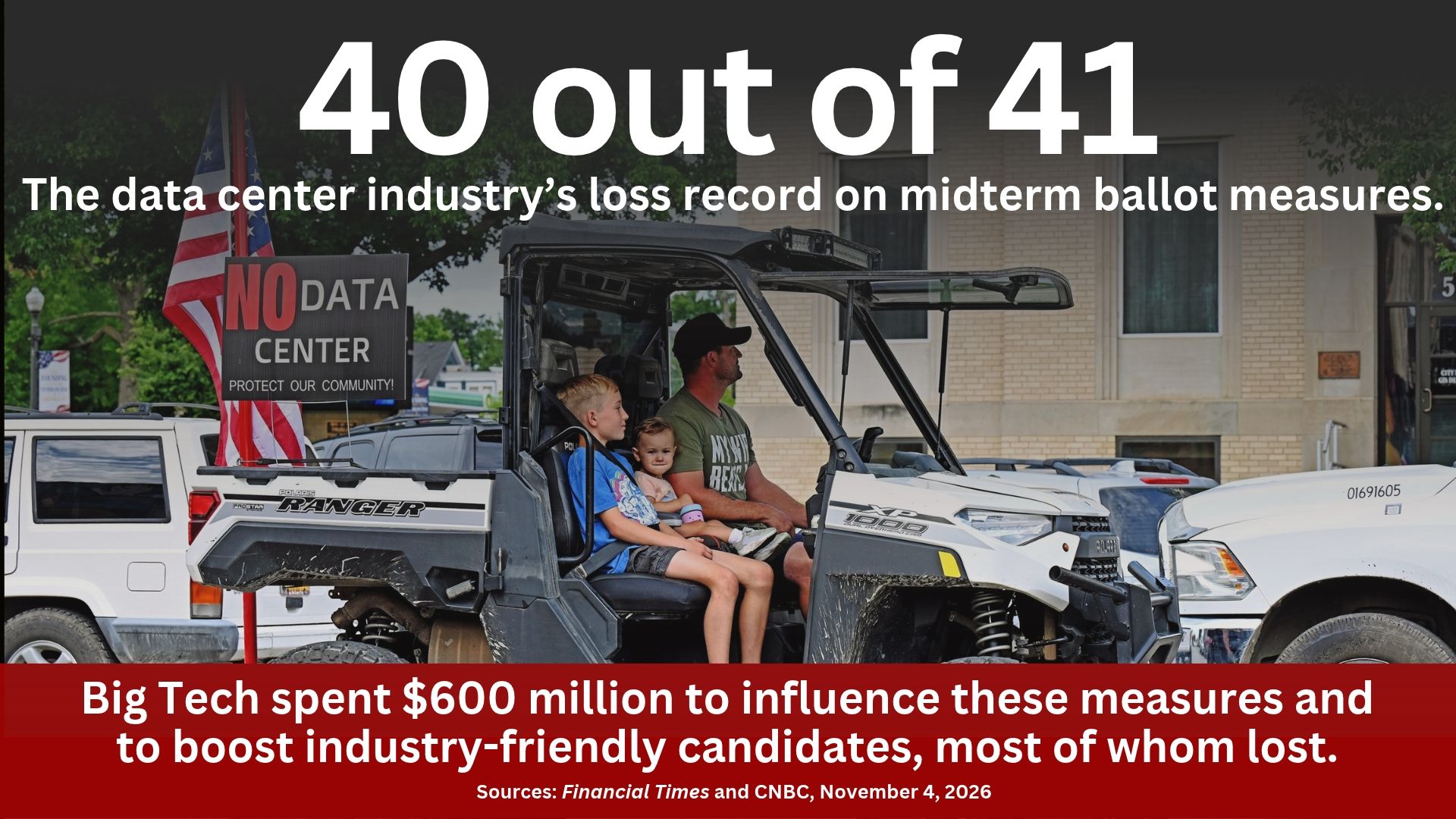
In the 2026 midterms, corporate political spending came to about $740 million, up 60 percent over the 2024 presidential election-year total. Come January, corporate lobbyists will be descending on a new Democratic-controlled Congress and threatening to exit the nation if lawmakers dare to raise their taxes.
But that threat, writes former corporate tax attorney Zorka Milin in a new commentary for Inequality.org, has zero evidence behind it. Tax hikes on corporations do not automatically drive businesses overseas and cost jobs.
“Businesses decide where to invest based on many factors, including access to customers, skilled workers, good infrastructure, and the rule of law. And these are precisely the things that taxes pay for,” writes Milin, now a co-director of FACT, the Financial Accountability and Corporate Transparency coalition.
The AI explosion, Milin argues, makes campaigns to raise corporate tax rates even more essential. Workers facing potential job losses and lower wages need governments actively investing in education and training and a stronger safety net. But current tax rules let corporations hide AI profits in offshore tax havens. Read more on how to end the global race to the corporate tax bottom below. |
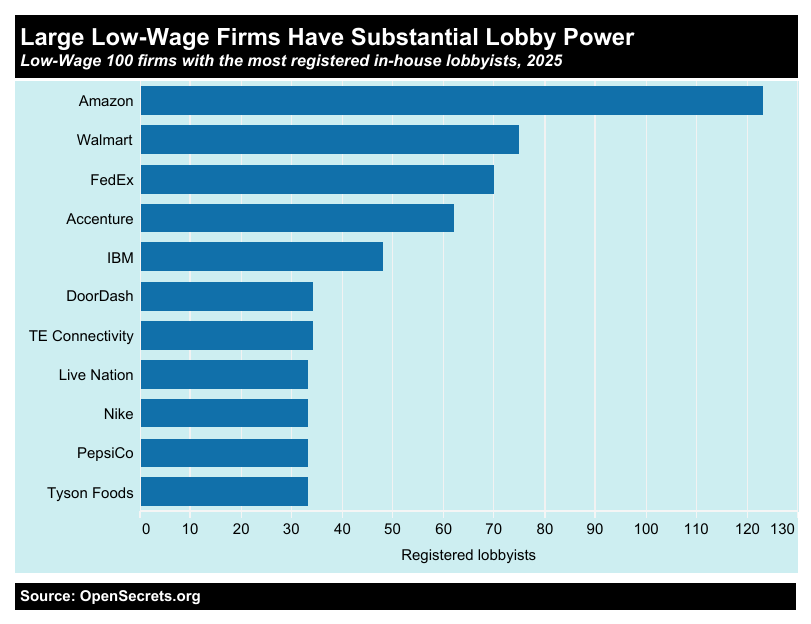
Corporations spent lavishly in the 2026 elections, but campaign spending makes for just one source of corporate political power. Large low-wage employers also use their substantial lobbying might to advance their interests, often while turning a blind eye or opposing policies that would improve the lives of their workers.
The Low-Wage 100 — the 100 S&P 500 corporations that pay their workers the least — have amassed a combined army of 1,282 registered federal lobbyists. Amazon alone boats 123. But the actual size of the corporate lobbying army runs much higher. Corporations don’t have to include in their disclosures in-house employees who spend less than 20 percent of their time lobbying, and nearly all these firms also belong to business associations that lobby on their behalf.
Congress, meanwhile, hasn't raised the federal minimum wage since 2009. Median annual pay at the Low-Wage 100 ranges from just $22,733 to $53,296. |
The Most Colossal Backfire in American Political History
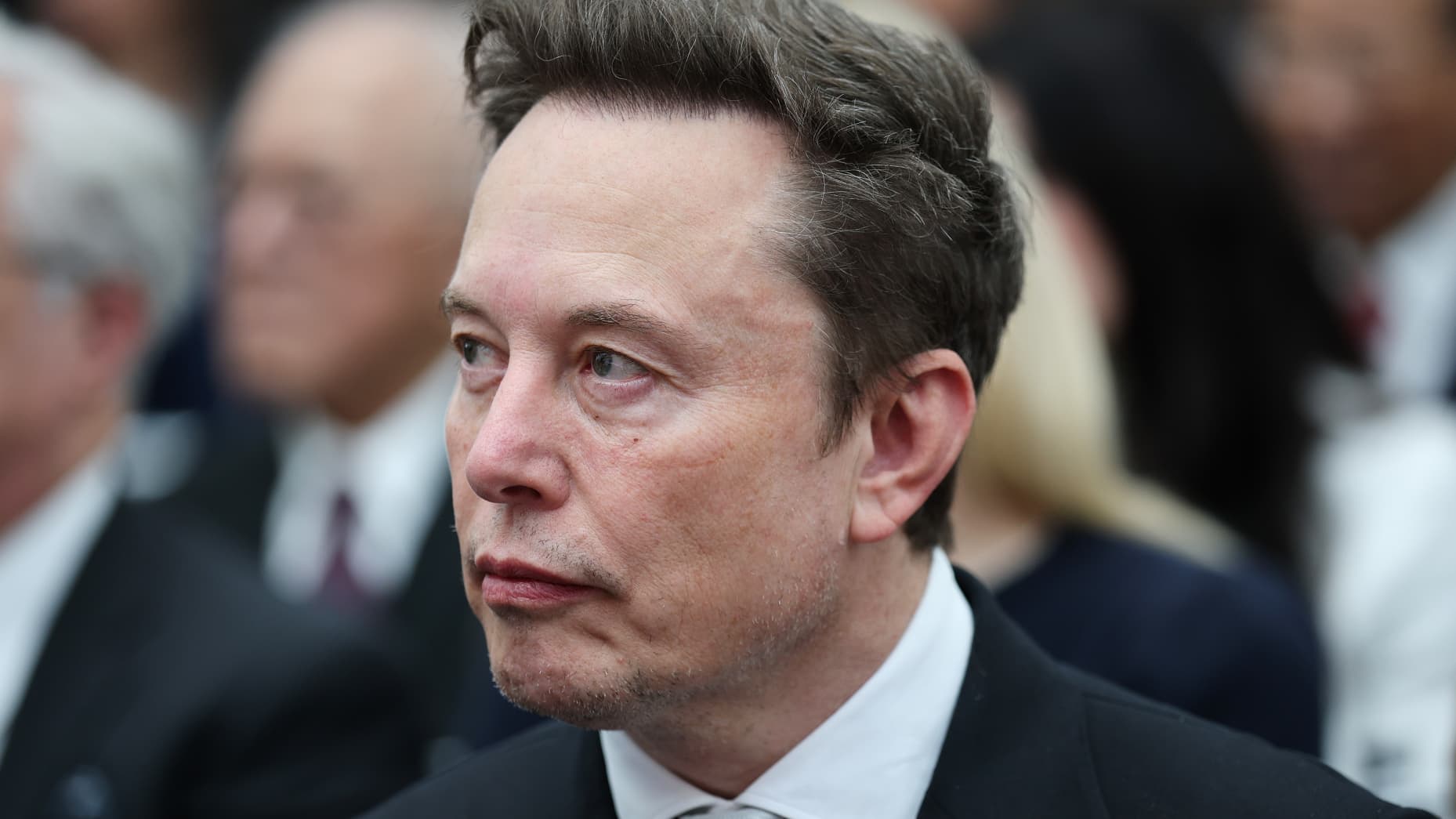
This week’s dour deep pocket: Elon Musk, the two-time trillionaire who remains the world’s richest person, with a fortune currently hovering around $850 billion.
What has Musk sour: The results from America’s 2026 midterm elections. Musk invested more on this year’s balloting, close to half a billion dollars, than any other previous deep-pocket donor has ever coughed up in a single election cycle.
The largest chunk of that campaign cash went into Texas, with over $210 million spent backing the notorious Ken Paxton, the Trump pick for the state’s up-for-grabs U.S. Senate seat. Musk coupled those millions with “brazen disinformation” about the “mental health and sexuality” of James Talarico, Paxton’s seminarian opponent, for the 241 million followers of Musk’s social media stream.
“Talarico will vote to trans your kids,” read a Musk entry on his X account two days before the election.
All for naught. Paxton lost in a landslide. Musk at first tried to joke his defeat away: “Guess my election-interfering space lasers didn’t work this time.” Then he switched to reposting racist grievances about minorities supplanting “Whites.” Those claims, observed Oligarch Watch, amounted to Musk’s explanation “for how Democrats managed to flip Georgia and Texas.”
The last word: Musk’s machinations matter, notes Nation political analyst David Futrelle, because this “capricious, emotionally stunted man-baby mogul with incomprehensibly more power and money than he deserves” bases “most of his decisions on a mixture of strange whims and dark impulses.” Musk has made it “practically our small-d democratic duty to tax the sh** out of billionaires like him.”
|
|
|
|
INEQUALITY BY THE NUMBERS |
|
|
|
Robert Reich, The Best Victory Speech, Substack. Senator-elect James Talarico on the struggle against plutocracy: “The billionaires who own the social media algorithms, who own the cable news networks, who own the politicians fighting on our screens, they want us at each other’s throats...instead of looking up at them.”
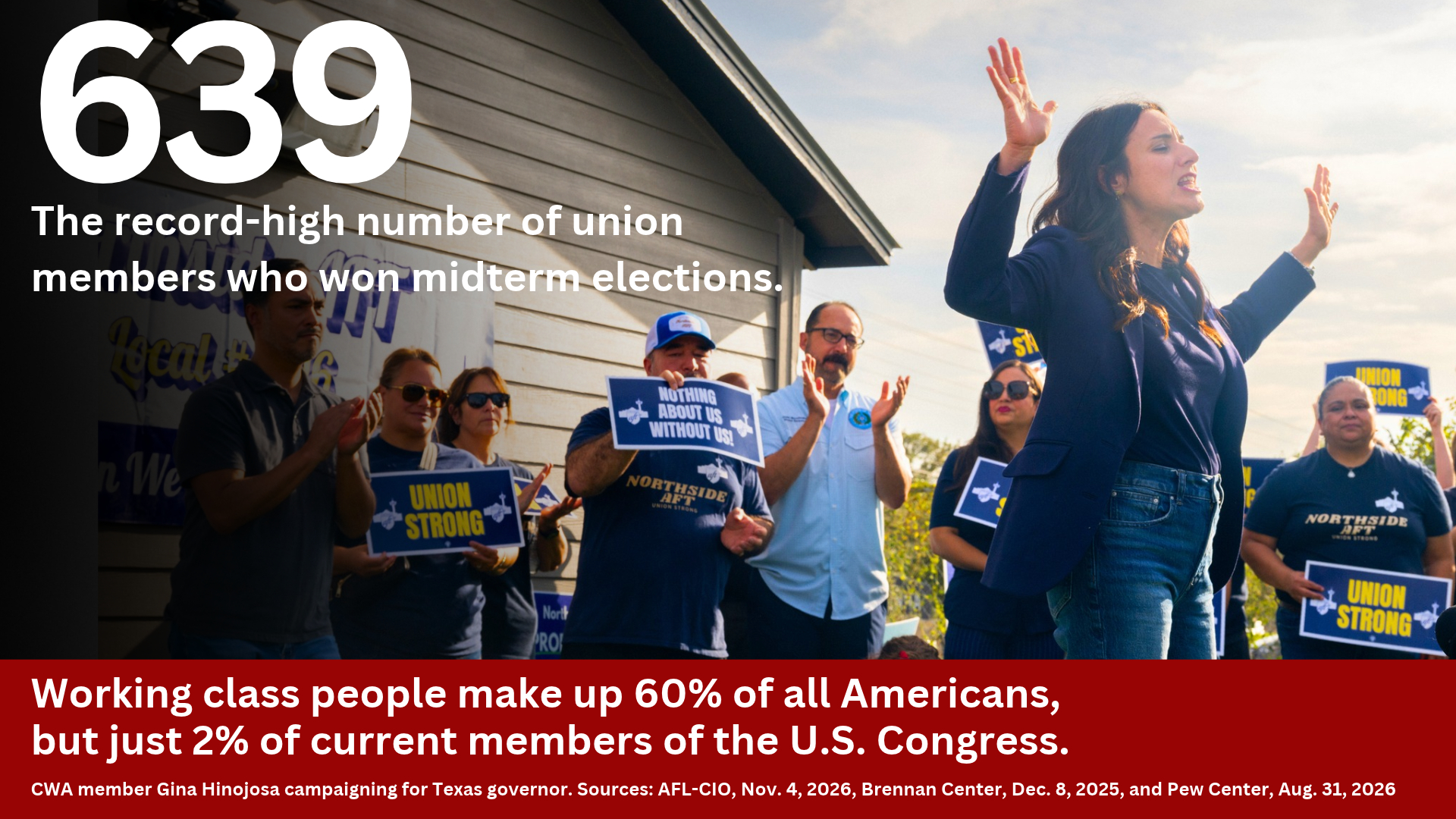
Eric Blanc, Don’t Squander the Republican Rout, Labor Politics. A striking and novel feature of the 2026 election nationwide: the growing emphasis on corporate greed, billionaire power, and a rigged economic system. Not just affordability, but the fight against those making our lives unaffordable.
Brian Merchant, A generative election, Blood in the Machine. Three of the biggest losers in the midterm elections: data centers, AI, and tech oligarchs. Voters turned out angry and united. But their ballots only begin the struggle ahead.
Bob Lord and Sarah Christopherson, The Coming Democratic Party Battle On Taxing The Rich, The Lever. The midterms gave Democrats the power to tax billionaires. Their corporate wing may offer the donor class an escape route.
Lee Hepner, Anti-Monopolists Soared in the Midterms. You Can Help With What’s Next, BIG. Unlike earlier wave elections, this year’s wave seems to have been ideological: We have a new crop of winners with fundamentally different beliefs than the incumbents.
Brad Reed, ‘Obscene’: Billionaire Funders Allowed California Wealth Tax Foes to Outspend Proponents 250 to 1, Common Dreams. Filthy rich foes of the California wealth tax initiative collected over $379 million for their “no” effort. Proponents had just $35 million to spend.
Joseph Stiglitz, Extreme inequality is not a given. It is a political choice, and we can unmake it, Hanyoreh. A Nobel Prize-winning economist makes the case for creating an International Panel on Inequality, a global body — modeled on the Intergovernmental Panel on Climate Change — that would rigorously assess the drivers and consequences of the inequality we face.
Dean Baker, The Market Route for a Wealth Tax, Beat the Press. The price of overvalued AI stocks may be falling back to earth. Good news for the economy, bad news for many of our favorite billionaires.
David Dayen, Corporations Are Pretending to Reform Themselves, The American Prospect. Since the election, corporate chiefs — with the CVS CEO leading the way — have been trying to avoid regulatory crackdowns by claiming they can change their ways.
Mary Jacob, Billionaires can’t find parking for their megayachts — and developers are cashing in, New York Post. More than 6,000 vessels longer than 98 feet are now cruising the globe. Their owners are now lusting for the convenience of parking their boats next to the finest of luxury residences.
|
|
|
|
Monthly Donors Make This Read Possible! |
Inequality.org, an Institute for Policy Studies nonprofit project, depends on donations to keep this newsletter free and available to all readers. Your monthly gifts make all the difference in the world, whether you can donate $3 or $300 a month. {{if --[[Inequality Sustainer, 60 day gifts]] SavedSearch_523974}}Thank you for being a monthly donor. You can head to our self-service page at any time to see your giving history and make changes to your subscription.{{else}}Ready to give a few bucks a month? Sign up today.{{end}}
|
|
|
|
Inequality.org | www.inequality.org | inequality@ips-dc.org Institute for Policy Studies
1301 Connecticut Avenue Ste 600
Washington, DC 20036
United States
Managing Editor: Chris Mills Rodrigo
Co-Editors: Sarah Anderson, Chuck Collins, Bella DeVaan, Reyanna James, and Sam Pizzigati |
|
|
|
|