A weekly newsletter from the Institute for Policy Studies |
|
|
Celebrating Minnesota organizers,
a Shoppers’ Bill of Rights, and a CEO rewarded for union-busting
|
|
|
|
I keep waiting for Tony Xu, the billionaire CEO of DoorDash, to break his silence about the ICE agents who’ve shot three of his company’s drivers.
The most recent victim: Wilber Garcés Pérez, shot in the back a few weeks ago in Texas while on a DoorDash delivery run. In July, driver Joan Sebastian Guerrero lost his life to an ICE agent’s bullet in Maine. And back in January, an agent shot driver Julio Cesar Sosa-Celis through the door of his Minneapolis home.
Would Xu’s response be any different if the victims had been DoorDash executives instead of mere “Dashers”?
Public pressure on corporate execs who aren’t standing up for their workers attacked by ICE has been rising, and that pressure needs to continue. That's one reason we’re so excited to be honoring Unidos MN, an organization that’s keeping up the heat on Target for failing to speak out about ICE abuses. Unidos will be receiving our annual Institute for Policy Studies Letelier-Moffitt Human Rights Award.
More on this award here and more below on the inspiring work of Unidos MN . Sarah Anderson
for the Institute for Policy Studies Inequality.org team |
|
|
|
INEQUALITY BY THE NUMBERS |
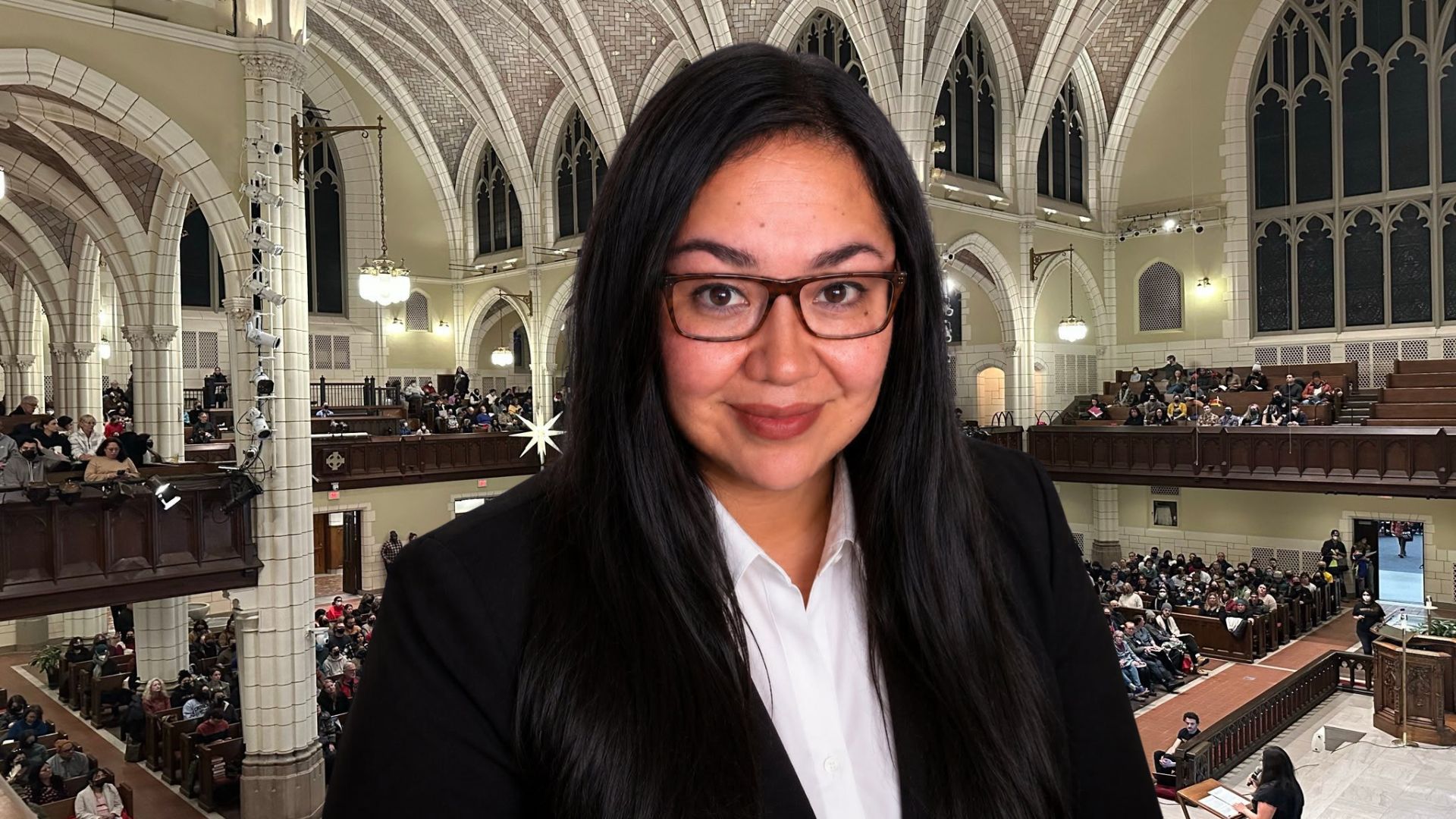
How Minnesota Became So Prepared Before ICE Came to Town This week’s frontline face: Emilia Gonzalez Avalos, the executive director of Unidos MN, an immigrant-led multiracial organization building civic power that’s one of the IPS 2026 Letelier-Moffitt Human Rights Awards winners.
What she’s doing to help create a more equal world: Gonzalez Avalos and the Unidos MN team spent a good chunk of 2025 training a remarkable 50,000 Minnesotans on how to legally observe on-the-prowl federal agents. Late last year, when ICE descended on the Twin Cities, those Minnesotans put that training to good use monitoring and resisting ICE outrages.
Unidos MN has now turned that training program, Monarca, toward helping community members defend democracy ahead of the 2026 midterm elections. If the Trump administration does try to meddle in the democratic process in Minnesota, people trained by Unidos MN will be ready, once again, to resist.
What makes this fight so important: “Our rights to fair and free elections are at risk,” Gonzalez Avalos recently observed for Inequality.org. “So we’re proactively arming ourselves and our communities with the knowledge and tactics necessary to resist if Trump makes good on his threats on the sanctity of the midterms.” |
A Shoppers’ Bill of Rights To Protect Our Nation’s Consumers
Our corporate giants are working constantly to find new ways to squeeze every last dollar out of consumers. Now those corporations have a new package of tools to tighten that squeezing. Through “surveillance pricing,” corporate CEOs can charge consumers the absolute maximum they’re likely to pay for an item by deploying AI-powered technologies to pick through shoppers’ personal data.
How can we combat this new price gouging? One way, argues Lindsay Owens in a new book, would be through a “Shoppers’ Bill of Rights.” Setting baseline rules for a fair marketplace — banning surveillance pricing, for instance, and requiring companies to act with the best interests of consumers in mind — could go a long way to protecting us all from ravenous corporate greed. |
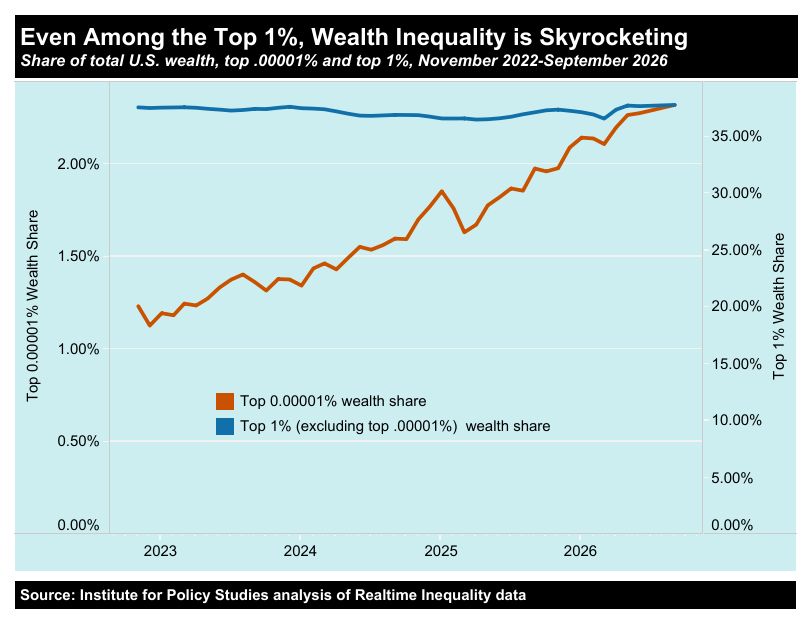
Wealth concentration is soaring, but most of the gains going to our richest 1 percent are actually filling the pockets of an extraordinarily tiny group of super rich who sit at our national wealth summit. The wealth share of the top 0.00001 percent — roughly just 20 households — has nearly doubled, rising from 1.2 percent of total U.S. wealth in November 2022 to 2.3 percent today.
The next richest 0.9999 percent of households, meanwhile, have seen their share remain virtually unchanged, edging up from 37.5 percent to 37.7 percent. In other words, even within the richest 1 percent, wealth is increasingly concentrating in the hands of just a few. For an interactive version of this chart and more on income inequality, click the link to our Inequality.org Facts section below. |
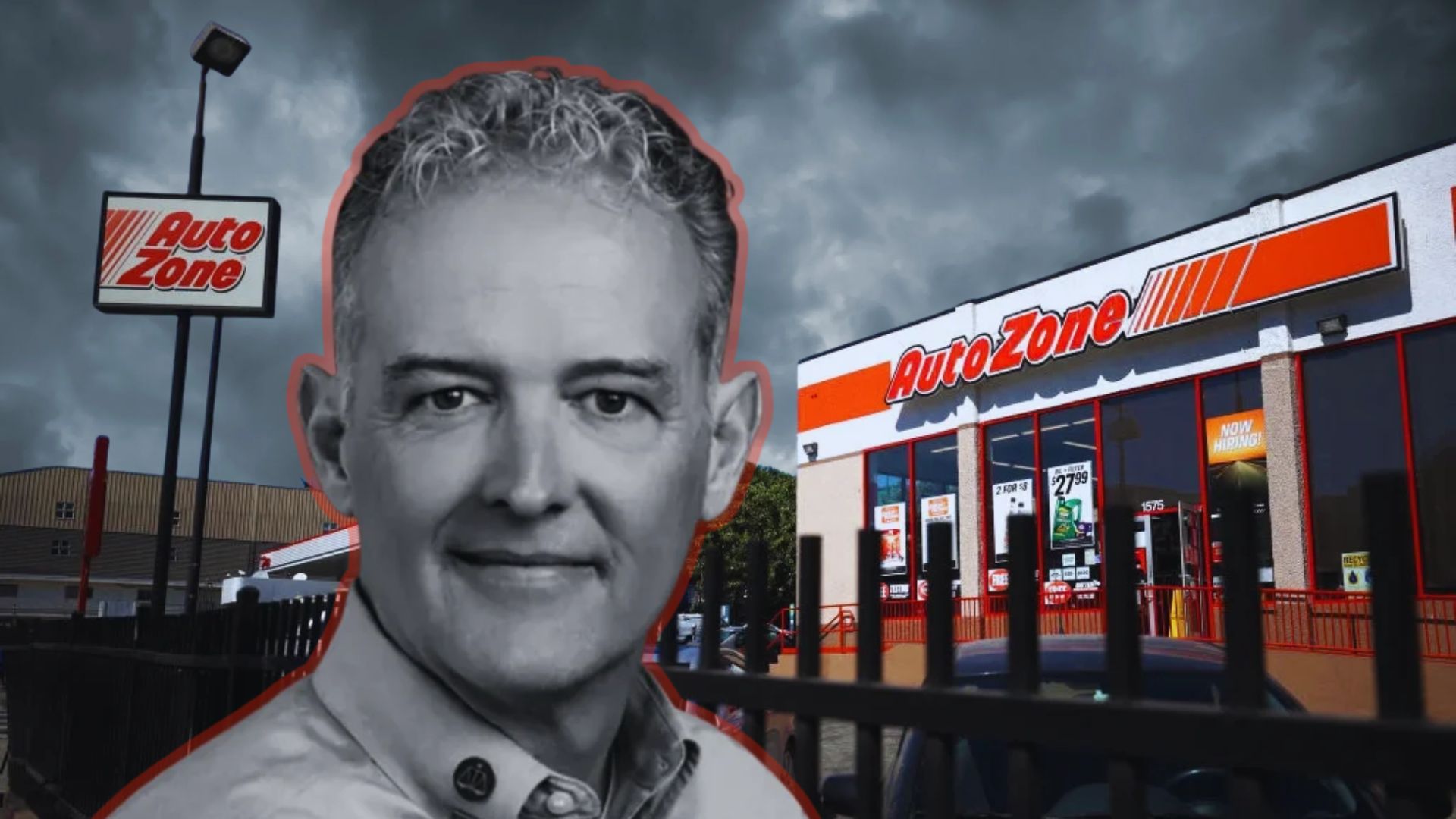
This week’s overpaid CEO: Philip Daniele III of AutoZone.
How Daniele is driving inequality: In 2025, Daniele’s compensation came to $9.6 million, 331 times as much as AutoZone’s median pay of just $29,017. To make sure his workers’ wages stay low, Daniele has continued the giant auto part chain’s long tradition of union-busting.
This year the company spent an estimated $200,000 to thwart an organizing drive in White Plains, New York, according to the nonprofit watchdog Labor Lab. Management transferred anti-union workers to the store and attempted to intimidate other employees through captive audience meetings, constant surveillance, and threats of discipline. On September 25, the White Plains workers stood up to this pressure and voted six to four to join UAW Local 259, making their store the first to unionize in AutoZone history.
The last word: “There is no bargaining when you’re alone,” notes White Plains employee David Valencia. “They’re only going to bargain when you’re together. So we don’t have a choice. Either we’re going to live in poverty and not be able to pay our bills, or we’re going to do this.” |
|
|
|
What's new on Inequality.org Amy Hanauer, Trump’s Invasion of Iran Could Cost You Thousands. Higher fuel and food prices are running on track to cost the average household over $1,300 by the end of the year.
Julian Villa, Can the US Open Still Be the ‘People’s Slam’? New York City’s $100 tickets for 1,000 residents offered a small experiment in economic democracy — and an effort to keep the tournament within the reach of working families. Kristen Crowell, How the ‘Big Beautiful Bill’ Is Harming People and How They’re Responding. A look at households struggling with cuts to Medicaid and SNAP and the people refusing to let their neighbors face those struggles alone.
Take a reading break and watch IPS researchers Karen Dolan and Henry A. Wallace fellow Layla Sayed in a People’s Briefing on the “perfect storm“ driven by rising prices and collapsing social services. Elsewhere on the web
Max Lawson, Who makes money while they sleep? Equals Bulletin. Only 12 percent of humanity collects more than $100 a year in income from the ownership of assets.
Jonathan Schlefer, How Mexico Proved Mainstream Economics Wrong, The Nation. American analysts have long viewed inequality as a byproduct of technological causes. But Claudia Sheinbaum’s Morena Party has boosted workers’ income without any technological tradeoffs.
Dean Baker, An AI Bubble Death Watch: When the Financing Gets Crazy, the End Could be Getting Near, Beat the Press. Healthy companies don’t get into exotic finance. Within the billionaire AI universe, exotica here we come.
Caleb Ecarma, The gang goes to the White House, Oligarch Watch. Last week, the day after Donald Trump announced that only Americans who “want to be poor” would say no to a local data center project, the president hosted AI’s billionaires in a White House love-in.
Nicholas Lemann, The Battle to Pass a Billionaire Tax, The New Yorker. A victory for California’s proposed billionaire wealth tax would amount to the first time that a government in the United States has ever successfully taxed the assets, rather than just the income, of America’s class of extremely rich people.
Sasha Rogelberg, Google cofounder Sergey Brin has spent $102 million to fight California’s proposed billionaire tax—he could owe $13 billion if he loses, Fortune. Campaign filings show efforts to block the one-time levy of 5 percent have now raised over $187 million.
Dylan Sloan and Jack Witzig, The only billionaires making money this year are in tech, Bloomberg. The roughly 100 tech fortunes among the world’s 500 richest people gained a combined $845 billion through September 30, the most ever for the first nine months of a year
Dan DeFrancesco, Higher education is becoming the newest playground for billionaires, Business Insider. The names on dorms nationwide show that the wealthy have always been influential on campus. But writing a ten-figure check to get a university to place a new campus near where you live makes for a level of influence far beyond bankrolling a new dorm to make sure junior gets accepted.
|
|
|
|
Monthly Donors Make This Read Possible! |
Inequality.org, an Institute for Policy Studies nonprofit project, depends on donations to keep this newsletter free and available to all readers. Your monthly gifts make all the difference in the world, whether you can donate $3 or $300 a month. Ready to give a few bucks a month? Sign up today. |
|
|
|
Inequality.org | www.inequality.org | inequality@ips-dc.org Institute for Policy Studies
1301 Connecticut Avenue Ste 600
Washington, DC 20036
United States
Managing Editor: Chris Mills Rodrigo
Co-Editors: Sarah Anderson, Chuck Collins, Bella DeVaan, Reyanna James, and Sam Pizzigati |
|
|
|
|