A weekly newsletter from the Institute for Policy Studies |
|
|
Canada caught red-handed
on forced labor and growing alarm over America’s continuing anti-labor tilt |
|
|
|
Donald Trump has just slapped new tariffs on Canada as punishment for our northern neighbor’s alleged disregard for “forced labor” protections.
Trump’s charges might seem a bit dubious. But I’ve found hard evidence for them — while eating my breakfast waffles. Check out this damning maple syrup can. Case closed! |
Forced labor remains, of course, no laughing matter. But if the Trumpistas actually had any interest in combating forced labor, they wouldn’t be weakening the enforcement of our own U.S. labor laws against it.
Trump is clearly flinging around wild accusations to gain legal cover for new tariffs on 60 countries. Under his scheme, Canada will face the same tariff rate on most products as Pakistan, a country notorious for forced child labor. Go figure.
Yale’s Budget Lab estimates the cost of Trump’s tariffs — for the average U.S. household — at over $1,000 per year. But if you happen to be in the market for premium alcohol bottled with Portuguese cork or a wide array of other luxury products, have no fear. Those luxury items will remain absolutely tariff-free. Sarah Anderson
for the Institute for Policy Studies Inequality.org team |
|
|
|
Raising a Much-Needed Alarm About America’s Anti-Worker Turn
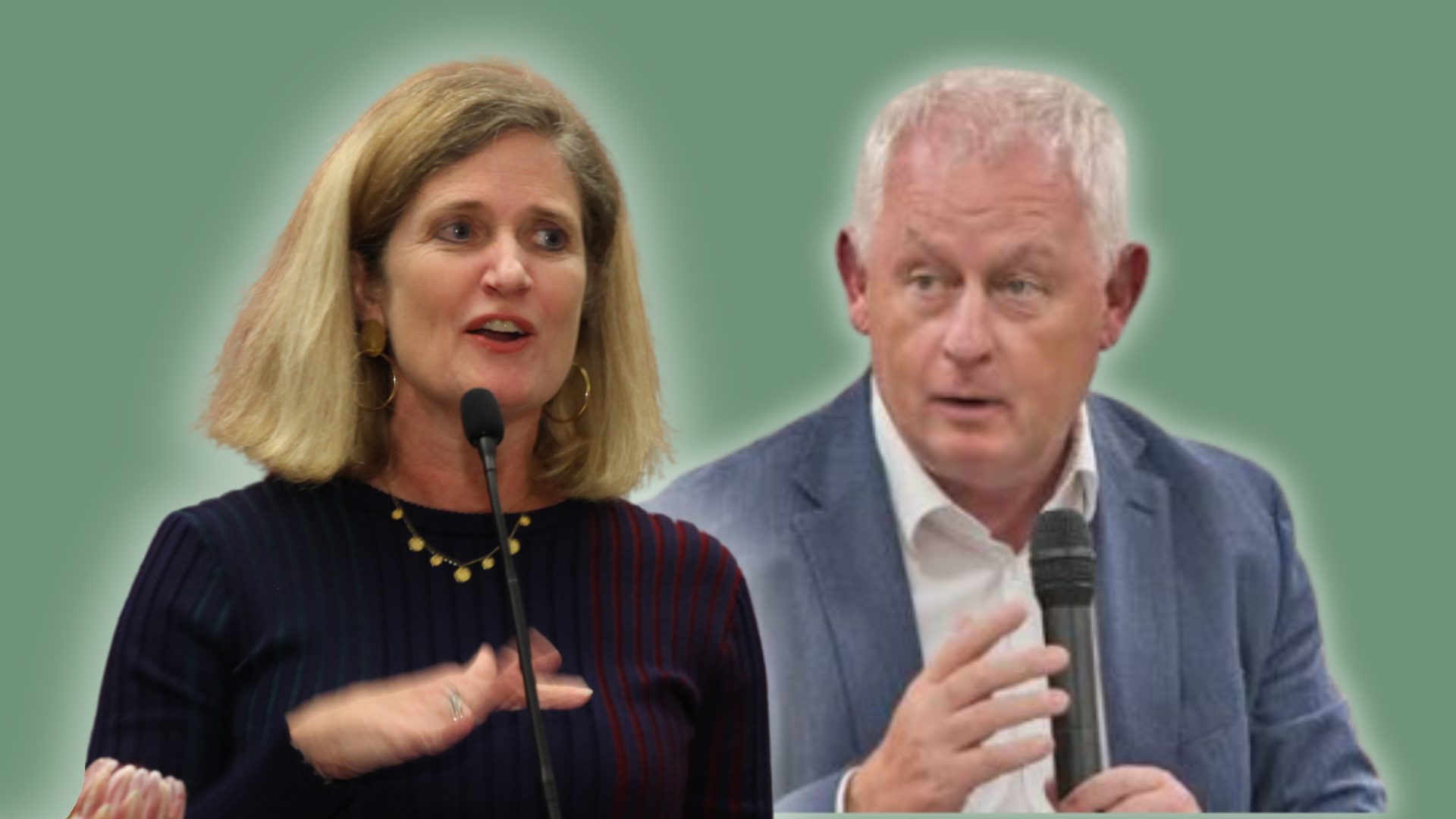
This week’s frontline faces: Cathy Feingold, the international director of the AFL-CIO, and Luc Triangle, the general secretary of the International Trade Union Confederation, the ITUC.
What they're doing to help create a more equal world: The ITUC, an international coalition of unions and other labor groups representing over 200 million workers through 340 national affiliates in 169 countries, has just released a report sounding the alarm about a rise in official U.S. anti-worker activities.
Stripping collective bargaining rights from federal workers, robbing rights from immigrant workers, and hamstringing labor enforcement bodies all figure into the reasoning for including the United States on the ITUC’s latest “Watchlist.”
What makes this fight so important: “These actions by the Trump administration are intended to undermine workers’ rights to join a union, bargain collectively, and speak freely, but their impacts extend far beyond the workplace,” Feingold and Triangle write in a new analysis for Inequality.org.
“When workers exercise their rights at work, they are not only better equipped to advocate for better working conditions,” the two add, “they are also better able to engage democratically in their communities.” |
From Illinois, an Encouraging Step Against Big Tech Profiteering
Budget cuts from the Trump administration have left state coffers emptier than they’ve been in years, forcing difficult decisions over funding critical programs.
Faced with this dire situation, Illinois has chosen to tax one industry with plenty of revenue to spare: Big Tech. Last month, Prairie State lawmakers passed a tax on the digital advertising revenue of corporations like Google, Meta, and Amazon. These giants are pulling in huge profits from our clicking habits and reinvesting precious little of those profits into the communities where they operate.
Once fully implemented, the tax could generate more than $800 million annually for the Illinois budget, going a long way to soften the blow of Trump’s continuing federal budget cutbacks. Other states looking for ways to stay afloat, notes Shaddi Zeid of the People’s Lobby, should look to the new Illinois law as a model. |
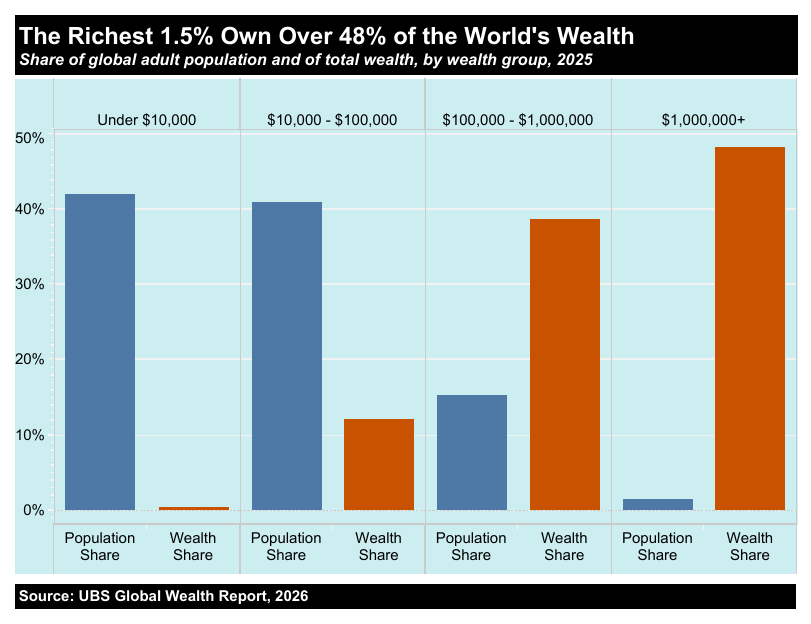
The latest UBS Global Wealth Report offers a stark snapshot of global inequality: The richest 1.5 percent of the world's adults now own nearly half of all global wealth. Together, millionaires control 48.4 percent of this wealth — about $251 trillion — while the poorest 42.1 percent of adults hold less than 1 percent.
For an interactive version of this chart and more, click to Inequality.org below. |
PETULANT PLUTOCRAT OF THE WEEK |
Has the Pentagon Now Become Private Equity’s Biggest Takeover Target?
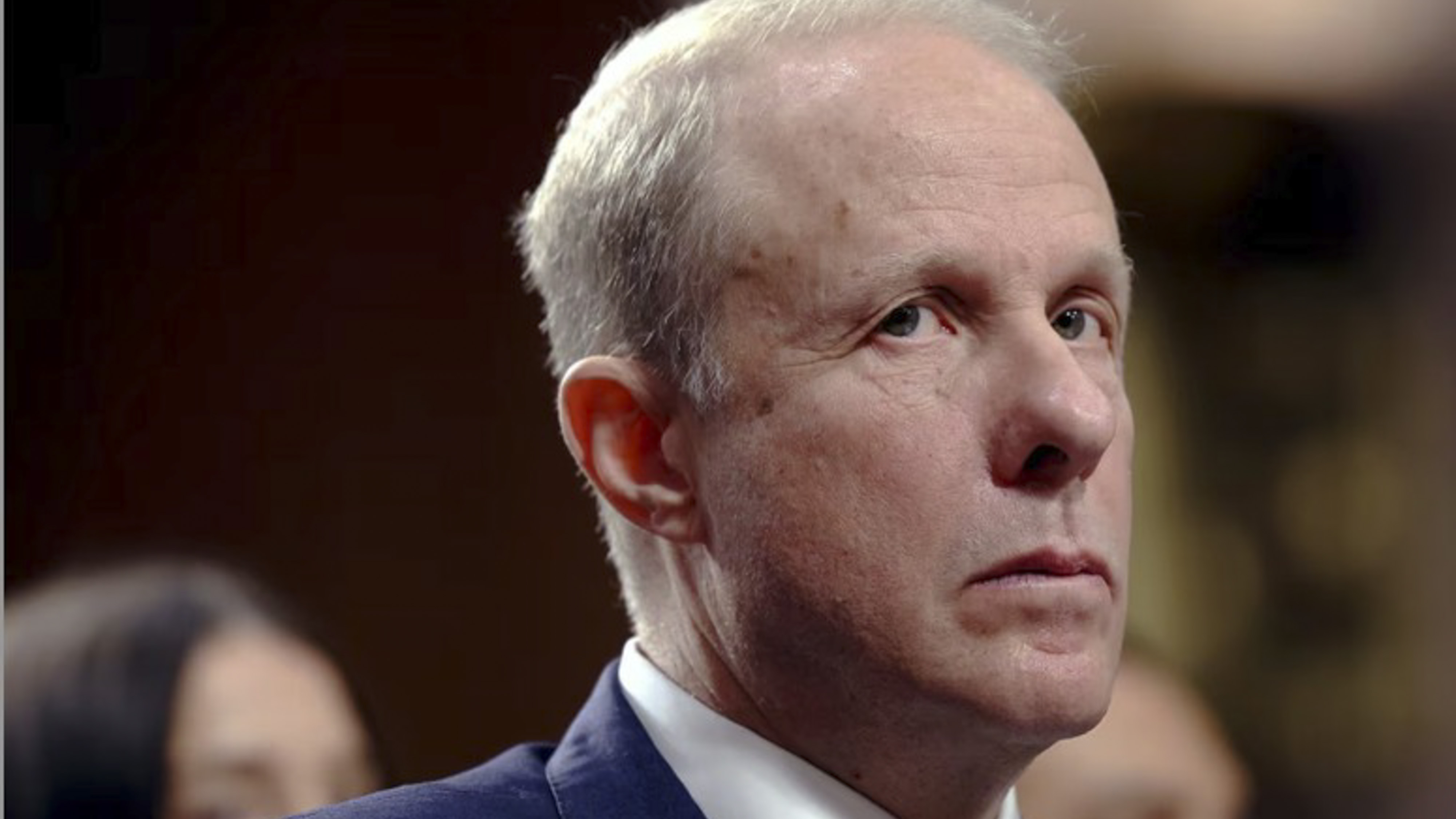
This week’s dour deep pocket: Stephen Feinberg, the founder and CEO of the private equity giant Cerberus Capital Management who now serves as Donald Trump’s deputy secretary of defense, an office that makes him the Pentagon’s “top weapons buyer.”
What has Feinberg sour: recent revelations that sully his reputation as “the most qualified billionaire” in the Trump administration. Feinberg has demonstrated, a Forbes senior editor claimed last year, “insight into virtually every hot-button topic in modern warfare,” from drones to hypersonic missiles.
But what Feinberg’s years in private equity wheeling-and-dealing have actually demonstrated, the American Prospect’s Zachary Groz notes, has been a penchant for “staging aggressive takeovers of distressed companies in key industries and tapping a faucet of federal money to keep them going.”
Now, as a Pentagon kingpin, the former Cerberus CEO is doing his best to open that faucet even wider. He’s packed his Department of Defense operation, the Wall Street Journal observes, “with a close-knit circle of advisers with Cerberus ties,” and the DOD now appears poised to settle a $40-billion lawsuit in the favor of a debt-ridden Cerberus-backed satellite and telecom company.
The last word: U.S. senator Elizabeth Warren raised concerns about deputy secretary Feinberg’s “financial relationships with Cerberus” in a letter to him this past April. Feinberg did not respond to that letter. Earlier this week, Warren called on Feinberg to “completely cut” all his family’s links with Cerberus. |
|
| |
Bob Lord, Taxing The Affluent But Not Rich: An Ugly Place Where The Oligarch Apologists And Center Left Meet, Substack. One group seeks to protect the ultra-rich from tax while the other fears taxing them more than a little. So both end up advocating socking it to the merely affluent.
Harold Meyerson, A Great Economy Unless You Have to Work for a Living, The American Prospect. The gap between income from investments and income from work has never been so glaring. U.S. corporate execs have done everything they can to weaken worker power while they enjoy higher profits and dividends.
Joe Wilkins, New Parody Site Threatens to Replace CEOs With AI for Tiny Fraction of Their Bloated Salaries, Futurism. Top corporate execs are lusting after the cost savings AI could provide. Now comes an unwelcome answer to their dreams: OverpAId, a project that offers an AI-powered replacement for your company’s CEO.
Paul Krugman, Oligarchy and the Media, Substack. The only lasting solution to billionaire dominance over America’s news outlets: reduce the amount of wealth at the top.
Martin Pengelly, Social Darwinists to tech bros: tracing the long fight against equality in US, The Guardian. Historian Kim Phillips-Fein’s just-published Country of Lords looks back at the many men who have tried to battle back against egalitarianism, from John Adams to Peter Thiel.
Alessandra Malito, The super rich use 401(k)s and IRAs to sidestep taxes on millions of dollars. This proposed law would cut them off, MarketWatch. Tax-preferred retirement accounts have become a giant loophole that lets the ultra-rich shelter enormous fortunes. Senator Ron Wyden is co-sponsoring new legislation that would cap contributions to traditional and Roth retirement plans.
David Moscrop, Private equity is taking over veterinary services, Jacobin. PE deep pockets are driving up prices and putting the pets we love at risk.
Mark Kreidler, California’s Rich Are Spending Millions to Avoid Paying Billions, LA Progressive. Silicon Valley billionaires are financing a massive campaign against a tax that would protect essential California services.
Casey Farmer, AI Powerhouses Have Driven San Francisco’s Home Prices Into the Stratosphere, Mansion Global. Metro San Francisco median home prices have jumped from $625,000 in 2012 to over $1.7 million. Another example of how windfalls at the top of the income ladder end up distorting housing costs for everyone.
|
|
|
|
Monthly Donors Make This Read Possible! |
Inequality.org, an Institute for Policy Studies nonprofit project, depends on donations to keep this newsletter free and available to all readers. Your monthly gifts make all the difference in the world, whether you can donate $3 or $300 a month. Ready to give a few bucks a month? Sign up today. |
|
|
|
Inequality.org | www.inequality.org | inequality@ips-dc.org Institute for Policy Studies
1301 Connecticut Avenue Ste 600
Washington, DC 20036
United States
Managing Editor: Chris Mills Rodrigo
Co-Editors: Sarah Anderson, Chuck Collins, Bella DeVaan, Reyanna James, and Sam Pizzigati |
|
|
|
|