A weekly newsletter from the Institute for Policy Studies |
|
|
America's unions began 2025 in a perilous situation. Union density — the share of the workforce represented by a union — had dipped below 10 percent. Years of passive leadership from the majority of America's unions, paired with an unfavorable legal landscape, had left organized labor terribly weakened.
Then Donald Trump's second term began — and, with it, an unprecedented assault on public employees. Public-sector workers have dominated union ranks in recent decades. Some 30 percent of public employees have union contracts. Less than 6 percent of private-sector workers do. That reality makes the Trump administration's assault on federal worker unions all the more worrying.
Just last week, Trump issued an executive order stripping bargaining rights from workers at more than half a dozen federal agencies. This latest broadside follows an initial order back in March that revoked protections from over a million federal workers. And that's not even mentioning what Trump has done to hamstring the National Labor Relations Board, the agency that safeguards union rights.
With that context in mind, this year's Labor Day Weekend should have been decidedly less celebratory. Where does the labor movement go from here? Chris Mills Rodrigo
for the Institute for Policy Studies’ Inequality.org team |
|
|
INEQUALITY BY THE NUMBERS |
|
|
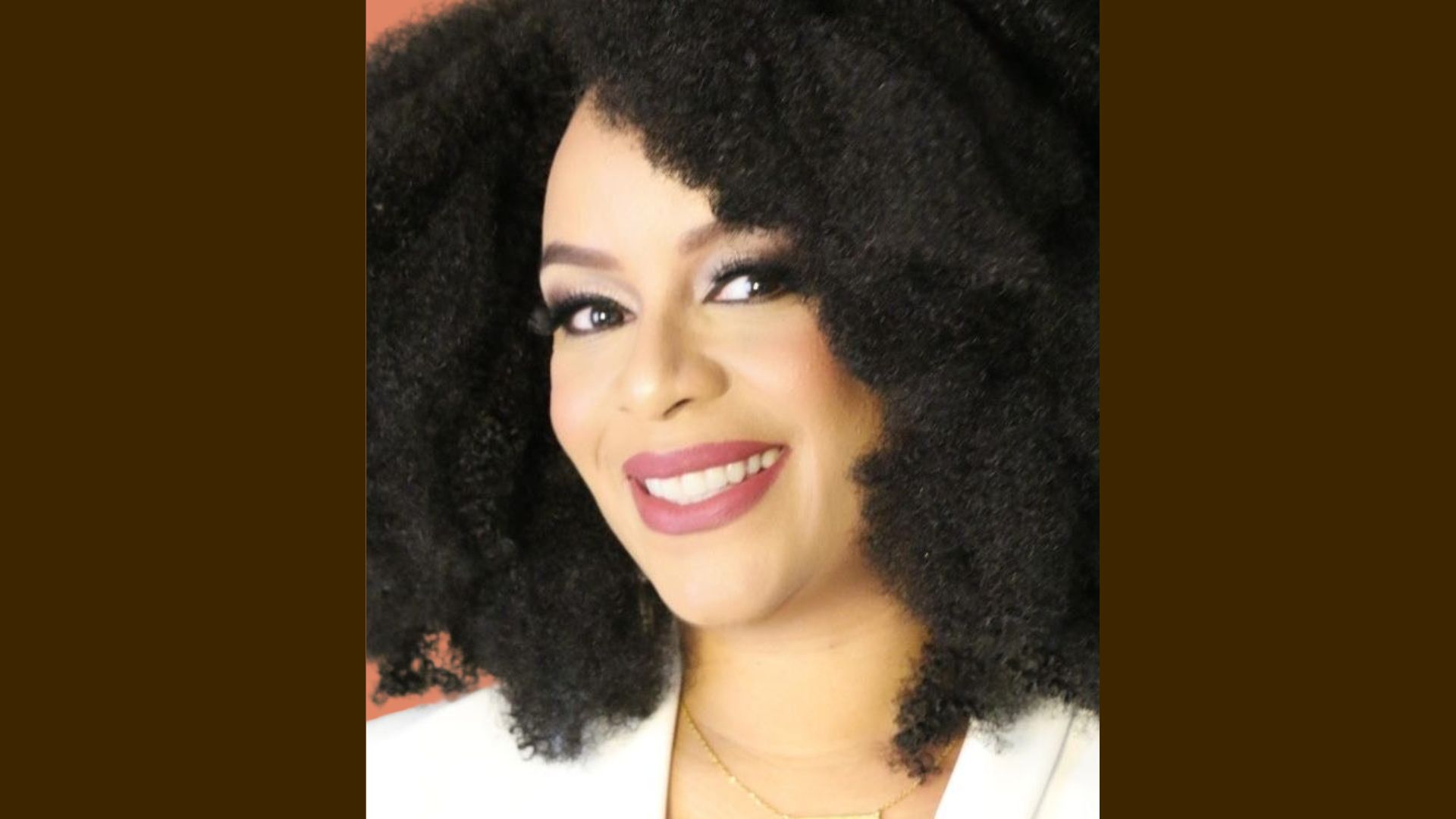
From Just Studying Housing Displacement to Actually Experiencing It This week’s frontline face: Andréa Wilson, the author of a dissertation on families removed from their homes who went on to face eviction herself.
What she's doing to help create a more equal world: After six years in the same home, Wilson found herself unceremoniously evicted. Legal avenues to challenge displacement, as she knew well, do exist, but they remain prohibitively expensive for most. The ongoing scarcity of affordable housing and rising housing costs have left evictions a threat to millions more Americans.
What can be done? Wilson suggests steps that range from legally requiring just cause for evictions to restricting rent increases and providing funding for rental assistance.
Why the fight matters: "I grew up in an income-stable home, earned a Ph.D., and own a small business," Wilson wrote recently. "If someone like me can get trapped in the cycle of housing instability, anyone can. But the solutions are out there — we just need lawmakers to hear us."
|
|
|
A Progressive Approach to Tariff Policy
The Trump administration's approach to trade policy has been nothing short of chaotic. Seemingly random tariff levels and constant walk-backs have destabilized markets worldwide. Trump has made “tariff” a dirty policy word.
But progressives shouldn’t abandon this trade policy tool, Sara Steffens from the Congressional Progressive Caucus Center argues in a new piece for Inequality.org. Corporate trade agreements like the North American Free Trade Agreement — the disastrous NAFTA — have indeed been deeply harmful to workers. But strategic tariffs, says Steffens, can promote higher labor standards, protect the environment, and build supply chain resilience. |
|
|
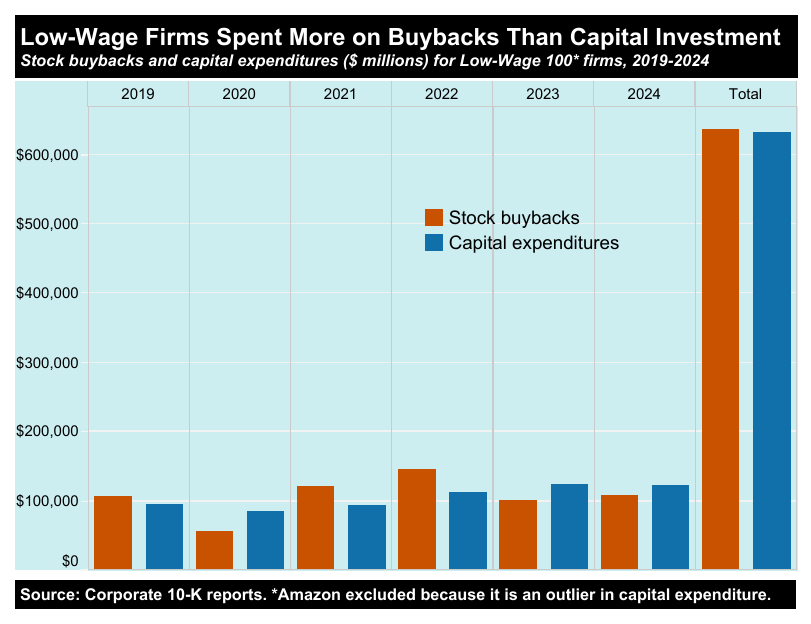
From 2019 through 2024, America’s 100 lowest-wage corporations spent a total of $644 billion on stock buybacks, a once-illegal maneuver that drives up stock price and inflates executive pay. Excluding Amazon, an outlier in capital expenditures, this group as a whole has spent considerably more on buybacks than on capital expenditures over the past six years.
Every dollar spent on buybacks represents a dollar not spent on investments vital to long-term value creation, investments that can range from strengthening innovation through better employee training to upgrading technologies and properties. More in our Executive Excess report below. |
|
|
PETULANT PLUTOCRAT OF THE WEEK |
This Tennis Ace CEO Has Double-Faulted Away His Future
This week’s dour deep pocket: Piotr Szczerek, the millionaire CEO of an industry-leading Polish paving company and an ardent, nationally ranked amateur tennis player.
What has Szczerek sour: the worldwide horror at his behavior after the victory last Thursday of his fellow countryman, the tennis star Kamil Majchrzak, at the prestigious U.S. Open championship in New York. Szczerek snatched out of the hand of the victorious Majchrzak an autographed hat meant for a small boy.
Szczerek then stuffed the hat in his wife’s handbag while the boy protested. The incident, caught on a video that quickly went viral, sparked an global outpouring of online outrage. Szczerek has since deleted his social media accounts.
No figure on Szczerek’s net worth has yet become publicly available. But that fortune appears ample. Back home in Poland, Szczerek has installed a full-size tennis court on his private estate.
The last word: “If you can afford to be at the US Open,” noted one Szczerek critic after last week’s U.S. Open incident, “there is no need to steal some kid’s stuff.” |
|
|
What's new on Inequality.org?
Helen Flannery, An Open Letter to the Boss. You’re a billionaire now, Mr. Springsteen. Please don’t stay one.
Garrett Brand, Wall Street Is Killing the Housing Market. Investment giants are buying up homes and pricing real people out of the market. But it doesn’t have to be this way.
Elsewhere on the web
Michael Sainato, CEO-to-worker pay gap surges to 632 to 1 at US’s lowest-paying large firms, study shows, The Guardian. CEO pay last year at America’s 100 largest low-wage corporations, the Institute for Policy Studies reports, averaged $17.2 million. The median worker pay at those corporations: $35,570.
Matt Stoller, Is There a Silicon Valley Plan to Subvert Elections? The Big. Silicon Valley’s billionaire titans have created a dangerous — to democracy — new political slush fund.
Anne Branigin and Roxanne Roberts, Trump loves a swanky ballroom. So did the Gilded Age elite, The Washington Post. Trump wants to add onto the White House a $20-million ballroom nearly as large as the existing White House. Kings and plutocrats alike have long used majestic spaces to assert and cement their power.
Kane Borders, Panayiotis Nicolaides, and Gabriel Zucman, Taxing billionaires: wealth dynamics and revenues from a global minimum tax, Elcano Royal Institute. The taxation of billionaire wealth has finally emerged as a prominent topic in global economic discussions.
Bill Loving, Malibu Wildfire Ruins Bought by Billionaires as Middle-Class Families Lose Homes, CalCoast Times. New waves of ultra-rich are entering the local Malibu housing market after each wildfire. They’re buying up parcels of land, sometimes entire blocks, and turning ruins into palatial compounds.
David Dayen, Private Equity Ripped the Heart Out of Skateboarding, The American Prospect. Multiple buyouts and bankruptcies have ruined iconic skateboarding brands and hollowed out the pastime’s grassroots culture.
Alfie Lumb, Activists protest against private jets at Bournemouth Airport, Dorset Echo. With banners declaring “Private Jets = Public Deaths,” protestors in the UK are highlighting the “lethal hypocrisy of luxury air travel in the midst of a climate emergency.” |
|
|
Our research, editorial, and publishing team depends on hundreds of paid subscribers who make monthly gifts. Some give $3 each month. Others give $200! All told, this support enables our team to stay focused on identifying causes and solutions to our deep economic inequality. Paid subscribers have contributed more than $20,000 in the past year. Ready to become a paid subscriber? Sign up today. | |
|
Inequality.org | www.inequality.org | inequality@ips-dc.org Institute for Policy Studies
1301 Connecticut Avenue Ste 600
Washington, DC 20036
United States
Managing Editor: Chris Mills Rodrigo
Co-Editors: Sarah Anderson, Chuck Collins, Bella DeVaan, Reyanna James, and Sam Pizzigati |
|
|
|