A weekly newsletter from the Institute for Policy Studies |
|
|
Our country’s media ecosystem is not in good shape. Local newspapers are fading away, and digital ventures are folding faster than they can secure funding. America’s “news deserts” are multiplying, and communities are losing their capacity to keep local power players accountable.
Team Trump, naturally, is making this mess worse. Earlier this week, the president formally asked Congress to pull the $1.1 billion in funding already set aside for NPR and PBS over the next two years. Local public radio and television stations all across the country are now facing an existential crisis.
Trump sycophant Kari Lake, meanwhile, has completely decimated the U.S. Agency for Global Media, the federal operation that houses Voice of America. VOA staffing has reportedly dropped from 1,300 in March to just 80 people. Losing journalism means losing independent oversight of our government — and our oligarchs. Trump II began with our media in crisis. Trump funding cuts are now threatening deep damage to our democracy.
Chris Mills Rodrigo
for the Institute for Policy Studies’ Inequality.org team |
|
|
INEQUALITY BY THE NUMBERS |
|
|
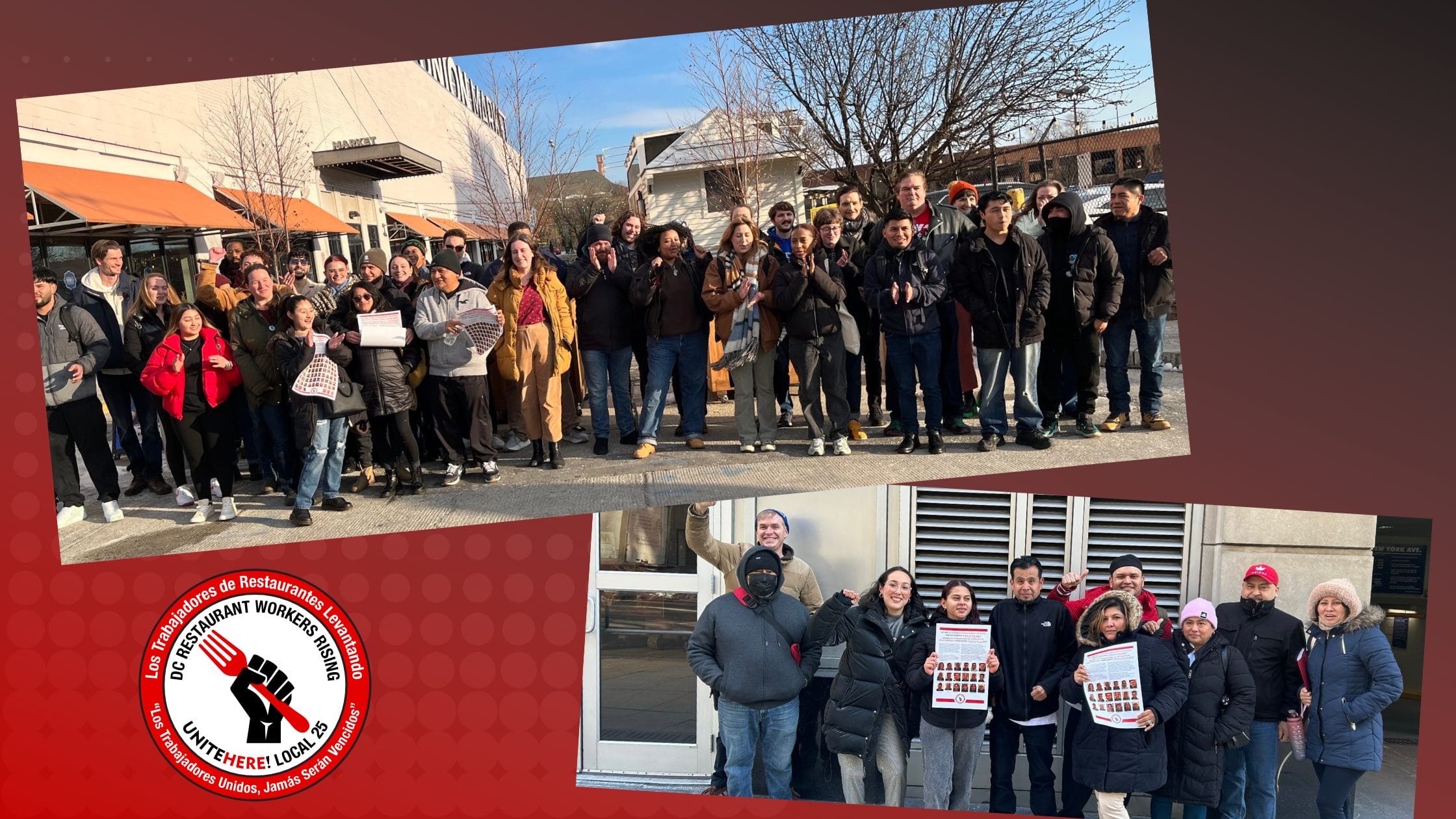
Fine Dining, D.C. Restaurant Workers Insist, Demands Fair Wages This week’s frontline faces: The workers at five of Washington, D.C.’s premier restaurants currently organizing with Unite Here Local 25.
What they're doing to help create a more equal world: Workers at deep-pocket favorites like Le Diplomate, Rasika, Modena, Pastis, and St. Anselm are demanding that their employers treat them with respect and guarantee stability.
These workers are also expanding their fight beyond their own restaurants — through DC Restaurant Workers Rising. Restaurant workers across the city are pressing for policies that raise wages for all tipped workers. Earlier this week, the D.C. Council paused a scheduled restaurant minimum wage raise from $10 to $12 per hour. Workers are calling that pause tantamount to a repeal of a city ballot initiative approved by local residents. What makes this fight so important: Securing rights in the workplace remains a prerequisite for a healthy restaurant industry. To support workers, whether you live in D.C. or elsewhere, please sign the petition below. |
|
|
Congress Can — and Must — Address the Public Transit Funding Crisis
Transit agencies across the country are facing budget shortfalls that are threatening to make it harder for Americans to travel for everything from jobs and education to health care and culture. The Trump administration is risking making the situation worse by pulling the plug on federal transit funding.
New legislation now before Congress, introduced by Rep. Hank Johnson from Georgia, could reverse this trend. His initiative would put in place a new federal grant program for urban and rural transit systems that could improve service reach and reliability. “These are essential services for the movement of goods and people,” the director of the National Campaign for Transit Justice writes in a new piece for Inequality.org. More below. |
|
|
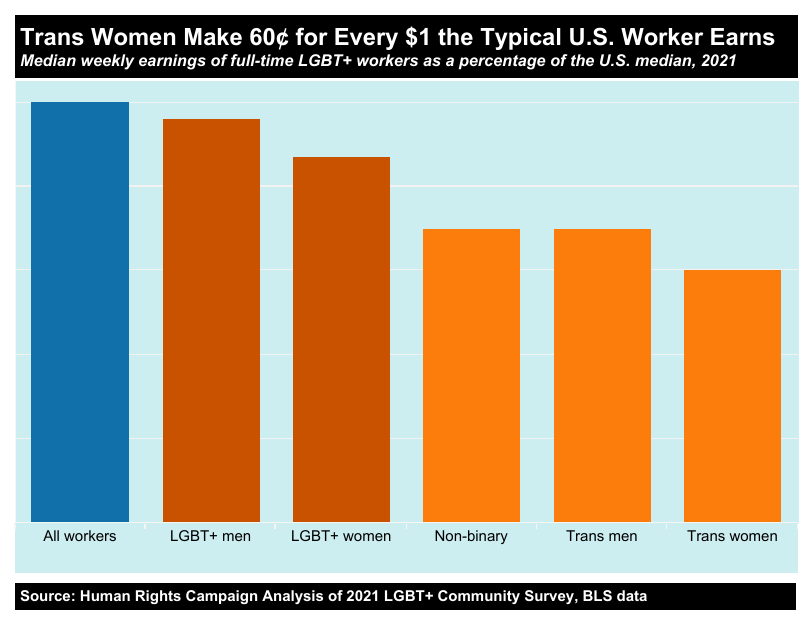
The current Pride Month can be a reminder that LGBTQ+ workers continue to face stark economic inequality. On average, these workers earn significantly less than typical U.S. employees. Transgender women face the steepest gap, earning just 60 cents for every dollar earned by typical workers, according to a Human Rights Campaign analysis. For an interactive version of this chart and more on gender and inequality, click the link to our Inequality.org Facts section below. |
|
|
PETULANT PLUTOCRAT OF THE WEEK |
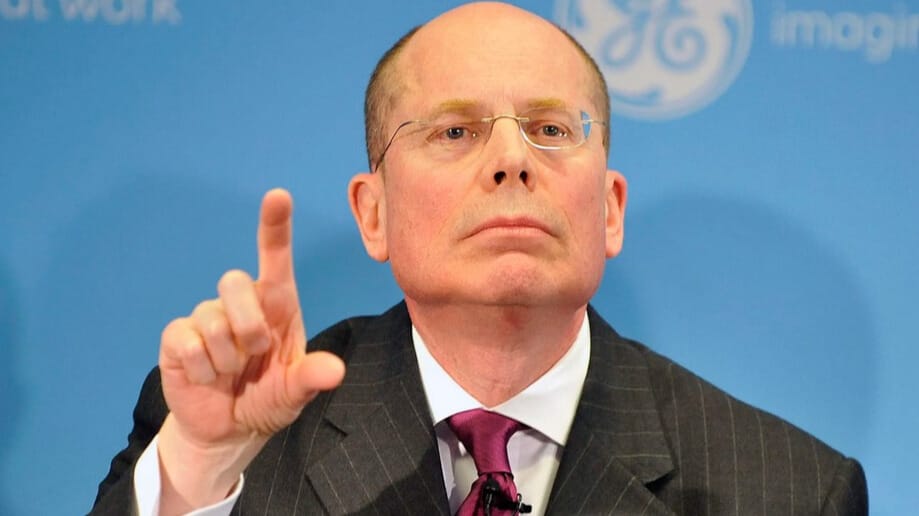
This Could Be the Most Expensive Act II in U.S. Corporate Health History This week’s dour deep pocket: Stephen Hemsley, the newly (re)named CEO of UnitedHealth, America’s largest health care company. The 72-year-old-Hemsley had been serving as the UnitedHealth board chair after he retired in 2017 from his first stint as the firm’s chief exec.
What has Hemsley sour: reactions to his new “controversial CEO pay package.” Hemsley will be collecting $1 million a year in salary plus a guaranteed $60 million more in stock options if he stays on as CEO for the next three years.
And Hemsley clearly expects to stay on for those three years. In his new CEO role, he’s already announced that UnitedHealth has “the right strategy and structure for the era ahead, especially in the face of a health system that can be disconnected, inconsistent, and inequitable.”
In his previous 11 years at UnitedHealth’s helm, Hemsley certainly contributed to that inequity. In 2017, he pulled down just shy of $27 million, nearly 300 times that year’s $58,378 typical UnitedHealth worker take-home.
The last word: Wall Street investors seem distinctly unimpressed with Hemsley’s return to UnitedHealth’s CEO seat. The company’s shares ended May down 26.6 percent for the month. |
|
|
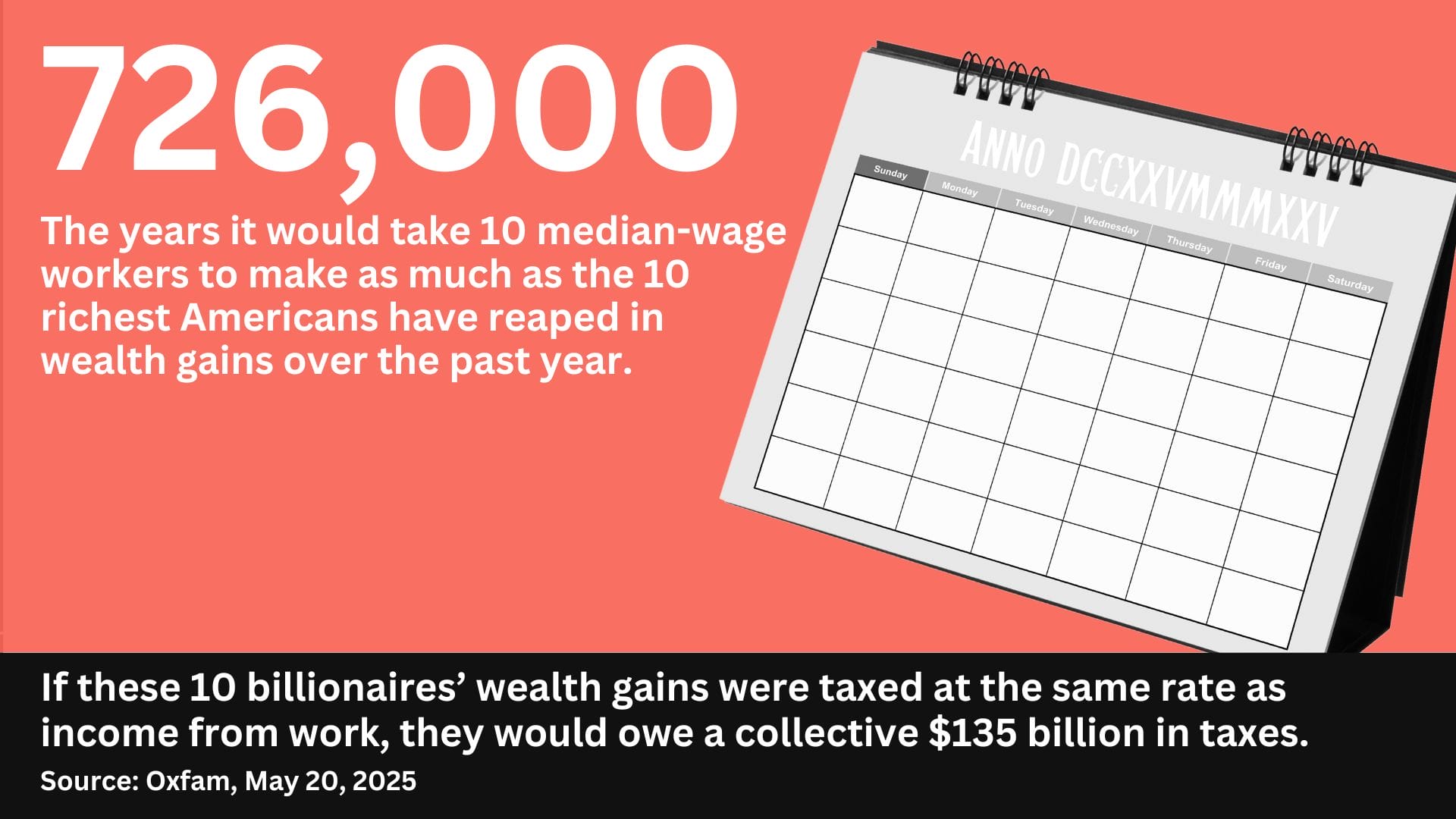
Evan Osnos, Donald Trump’s Politics of Plunder, New Yorker. Plutocracy breeds corruption: One-on-one conversations with the president have now become available for $5 million. David Moscrop, Maybe We Need a New Word for “Inequality,” Jacobin. Over the 12 months that ended in April, America’s 10 richest became $365 billion richer. Their average daily gain: $1 billion.
Alan Davis, America has a billionaire problem — we need a wealth tax to fix it, The Hill. A 5 percent tax on household wealth over $50 million and a 10 percent tax on wealth over $250 million would raise $6.8 trillion over ten years. Robert Reich, The Reemergence of Social Darwinism, Substack. Our new robber barons are using the same rationale as our original robber barons advanced.
Robert Mazur, The end of fair taxation. Why will we regret gutting the IRS, Tampa Bay Times. Our mega-rich, notes this former federal expert on money laundering, will have an army of offshore bankers and lawyers ready to run circles around Trump II’s drastically understaffed, underfunded IRS.
Mordecai Kurz, Why US Democracy Is Failing – and How to Restore It, Project Syndicate. The mega-rich, high-tech, unelected oligarchs gloating at the side of an elected president confirm that America has entered a second Gilded Age. The ultra-wealthy are now openly running the country.
Jared Bernstein and Ryan Cummings, Crypto: There’s just no legit use case for it. But, man, are these bros lobbied up, Substack. Why crypto amounts to a timebomb set at the behest of a privileged few out to squeeze every cent they can out of future-bag holders.
Susan Glsser, Elon Musk Didn’t Blow Up Washington, but He Left Plenty of Damage Behind, New Yorker. You can find Musk’s casualties in refugee camps and scientific labs that have lost their funding, in national parks you can’t enter, and in communities nationwide where polluters prosper.
Carine Roos, Gendered Disinformation as Infrastructure: How Tech Billionaires Shape Political Power, Tech Policy Press. Under the guise of “neutrality,” tech billionaires like Elon Musk and Mark Zuckerberg have made digital spaces increasingly unsafe for historically marginalized groups.
Algernon Austin, The Senate Voted to Make Trump Richer and the Financial System Weaker and More Corrupt, Center for Economic and Policy Research. Lawmakers will be planting the seeds for the next financial crisis if they pass the GENIUS Act, legislation that will create an opportunity for crypto’s richest to amass considerably more wealth — in U.S., not crypto, dollars.
|
|
|
Our research, editorial, and publishing team depends on hundreds of paid subscribers who make monthly gifts. Some give $3 each month. Others give $200! All told, this support enables our team to stay focused on identifying causes and solutions to our deep economic inequality. Paid subscribers have contributed more than $20,000 in the past year. Ready to become a paid subscriber? Sign up today. |
|
|
Inequality.org | www.inequality.org | inequality@ips-dc.org Institute for Policy Studies
1301 Connecticut Avenue Ste 600
Washington, DC 20036
United States
Managing Editor: Chris Mills Rodrigo
Co-Editors: Sarah Anderson, Chuck Collins, Bella DeVaan, Reyanna James, and Sam Pizzigati |
|
|
|