A weekly newsletter from the Institute for Policy Studies |
|
|
Want to see the influence of oligarchs in action? Amid the hubbub over Trump's “big, beautiful” budget reconciliation bill, House Republicans managed to insert a little-noticed dangerous amendment. If approved as written, the bill would now block states from regulating artificial intelligence for the next ten years.
Given the pitiful congressional track record on technology, that blocking would essentially mean no meaningful regulations on the rapidly growing AI industry for a decade.
Meanwhile, at the same time that GOP lawmakers were pulling off this policy coup, some of AI's wealthiest boosters — Elon Musk, Open AI's Sam Altman, and Nvidia's Jensen Huang — were flying to Saudi Arabia aboard Air Force One. The tech execs took advantage of the trip to cut billion-dollar sweetheart deals with the Gulf states and continue to ingratiate themselves with Donald Trump.
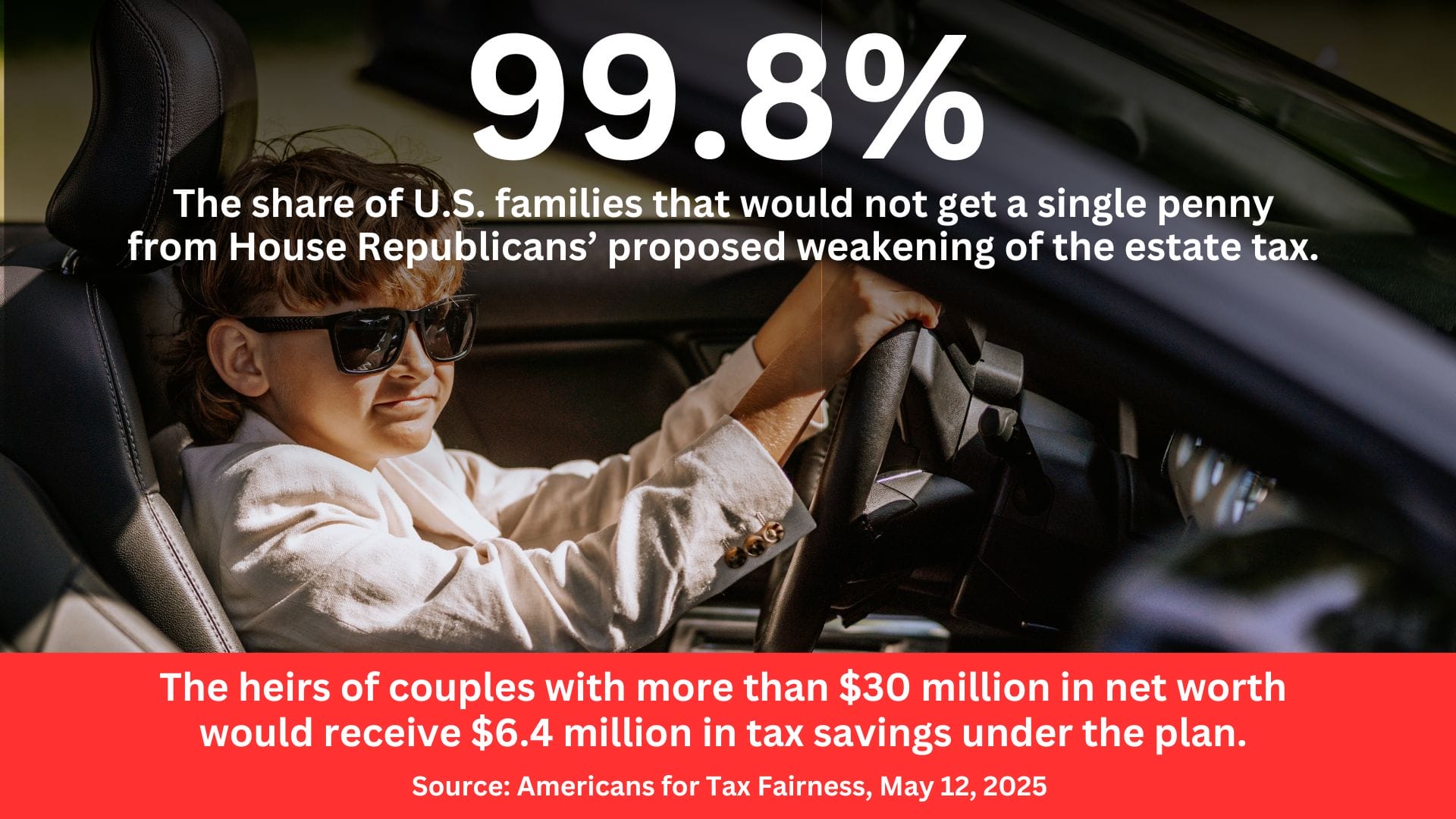
The horrors in the House Republican budget go far beyond, of course, this AI policy freeze. A just-released analysis from the nonpartisan Congressional Budget Office has found that the GOP budget would accelerate inequality by reducing the resources of households in America’s poorest 10 percent and increasing those resources for households sitting pretty in our most affluent tenth.
Chris Mills Rodrigo
for the Institute for Policy Studies’ Inequality.org team |
|
|
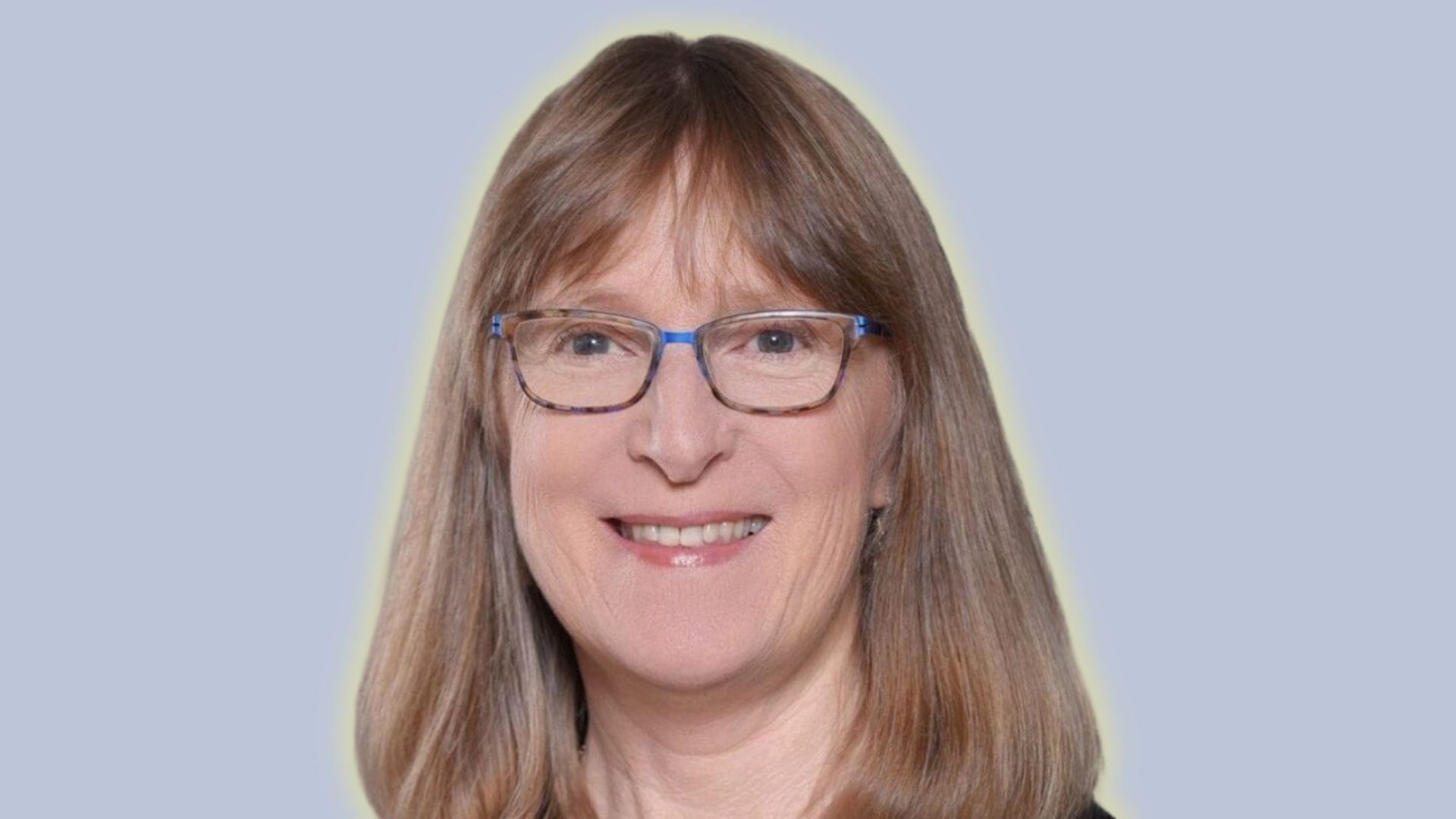
The Fight To Save the Federal Agency That Protects Us from Scams This week’s frontline face: Lauren Saunders, the associate director of the National Consumer Law Center.
What she's doing to help create a more equal world: The world, Saunders knows from personal experience, sits stacked against consumers. Scams are always lurking around the corner.
Last year, for instance, Saunders while on vacation found herself charged nearly $1,000 for a short taxi ride. Her bank refused to investigate this clearly bogus charge. But fortunately, back in 2010, Congress had created the Consumer Financial Protection Bureau to address frauds just like that.
Unfortunately, Donald Trump is now dismantling the CFPB, a move that would leave Americans having to rely on their own individual capacity to do battle with their banks.
What makes this fight so important to her: “Most people can’t take on big banks by themselves,” Saunders recently wrote. “In a world where we’re at the mercy of big corporations that ignore the law, exploit struggling families, and make profits at our expense, we need the CFPB on our side.” |
|
|
Taking Over the Corporate Oversight Mantle the Feds Have Abandoned
The second Trump administration, in just a few months, has dismantled much of the federal government's regulatory infrastructure. As noted above, the administration has been busy gutting the Consumer Financial Protection Bureau.
The administration is also not enforcing the Foreign Corrupt Practices Act, an important piece of legislation that makes it illegal for a U.S. business to pay foreign officials to cut business deals. But in this new federal vacuum states and private actors have started stepping up.
In a new piece for Inequality.org, Phil Mattera of Good Jobs First outlines the litigation wins that consumer advocates have begun racking up against some of our most massive U.S. corporations. |
|
|
People live longer in nations with lower levels of inequality. The United States ranks poorly on inequality measures, closer to Turkey than to France or Sweden. The pending House budget proposal, if enacted, would no doubt make matters worse. This budget plan would throw an estimated 13.7 million Americans off health insurance while giving tax breaks to billionaires.
This chart here uses the Gini coefficient, a standard global benchmark, to measure inequality. The higher the Gini, the greater the inequality. For an interactive version of this chart and more on inequality and health, click the link to our Inequality.org Facts section below. |
|
|
PETULANT PLUTOCRAT OF THE WEEK |
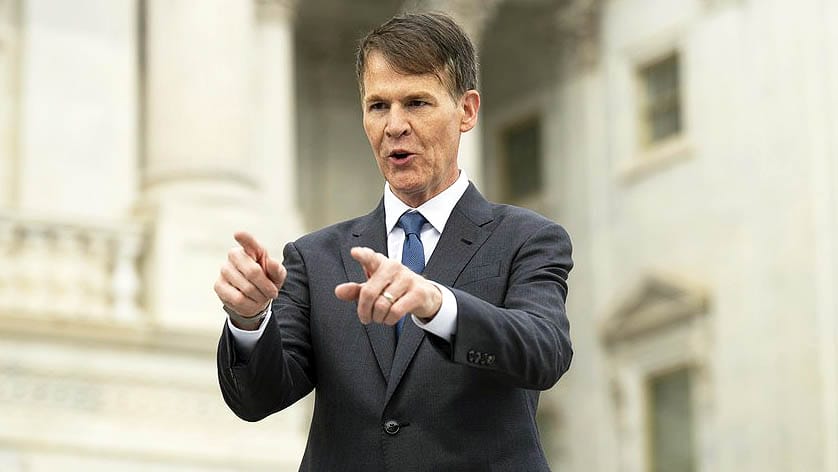
Can You Be Too Rich? This Congressman Doesn’t Think So This week’s dour deep pocket: Rep. Jefferson Shreve, a near-billionaire who now represents central Indiana in Congress — when he’s not trading stocks.
What has Shreve sour: The high-profile press coverage this House freshman has just started receiving about his penchant for paying considerable attention to his personal stock portfolio.
Between April 7 and April 17 alone, Shreve made over 140 stock trades worth somewhere between $3.44 million and $9.45 million. The stocks involved included transportation-related companies. In Congress, Shreve sits on the House Transportation and Infrastructure Committee.
NOTUS, the news group that broke the Shreve share trade story, is reporting that the lawmaker’s office “did not respond to a series of specific questions about the congressman’s stock transactions.”
The last word: A recent University of Maryland poll has found 78 percent of Democrats in the United States in favor of prohibiting members of Congress and their live-in families from trading stocks. Seventy-one percent of self-identified Republicans support that ban. |
INEQUALITY BY THE NUMBERS |
|
|
New on Inequality.org
Juan Montecino, Mary Hansen, Aina Puig, Ignacio González, and Selin Secil Akin, Increased Pass-Through Business Tax Break Would Worsen Inequality Without Boosting Growth. The GOP House budget plan would disproportionately benefit top earners and sacrifice significant federal revenue.
Bob Lord, America’s Most Regressive Tax Levy: Our Tax on Capital Gains. Our nation’s current effective tax rate on capital gains shrinks as the gains grow in size and duration, inviting the tax dodge — Buy–Hold for Decades–Sell — that’s driving America’s wealth concentration.
Elsewhere on the web
Omar Ocampo, Why states can raise taxes on the rich without fearing they’ll pack up and leave, MarketWatch. Ties to job and family will always limit the appeal of low-tax havens. Paul Krugman, Attack of the Sadistic Zombies, Substack. The incredibly cruel House GOP budget will, if enacted, leave America’s poorest 20 percent $1,035 poorer next year and the nation’s richest 0.1 percent $389,280 richer.
Brendan Duke, How House Republican Agenda Boosts the Wealthy, Does Little (or Worse) for Low-Income Families, Center on Budget and Policy Priorities. In 2027, under the House GOP plan, the 1 million households making over $1 million will pocket more in tax savings than the 127 million households making under $100,000.
Dhananjayan Sriskandarajah, We need to talk about ‘extreme wealth,’ Guardian. Social justice, most of us understand, demands a “poverty line” and efforts to keep our poorest above it. But that justice will remain elusive until we set a “wealth line” and work to keep all our richest below it.
Which countries have the best, and worst, living standards? Economist. Levels of inequality within a society matter: The richest people in America have a mortality rate similar to that of the poorest northern and western Europeans.
Fernanda Balata and Sebastian Mang, How the Billionaire Boom Is Fueling Inequality—and Threatening Democracy, Social Europe. Decent societies need more than a poverty line. Setting an “extreme wealth line” would help address the harmful role that concentrated wealth plays in all our lives.
Robert Reich, How the Corporate Raiders Led to Trump, Substack. Junk bond-financed hostile takeovers of American corporations have had CEOs devoting themselves entirely and obsessively to maximizing the value of their stock — at the expense of their workers and the public at large. Jordi Schröder Bosch, Banking on inequality, Equals Bulletin. Demystifying the relationship between inequality and central bank decisions.
Divyangana Rakesh, Koichiro Shiba, Michèle Lamont, Crick Lund, Kate Pickett, Tyler VanderWeele, and Vikram Patel, Economic Inequality and Mental Health: Causality, Mechanisms, and Interventions, Annual Review of Clinical Psychology. A look at the latest research on the compelling link between economic inequality and poorer mental health outcomes.
|
|
|
Our research, editorial, and publishing team depends on hundreds of paid subscribers who make monthly gifts. Some give $3 each month. Others give $200! All told, this support enables our team to stay focused on identifying causes and solutions to our deep economic inequality. Paid subscribers have contributed more than $20,000 in the past year. Ready to become a paid subscriber? Sign up today. |
|
|
Inequality.org | www.inequality.org | inequality@ips-dc.org Institute for Policy Studies
1301 Connecticut Avenue Ste 600
Washington, DC 20036
United States
Managing Editor: Chris Mills Rodrigo
Co-Editors: Sarah Anderson, Chuck Collins, Bella DeVaan, Reyanna James, and Sam Pizzigati |
|
|
|