A weekly newsletter from the Institute for Policy Studies |
|
|
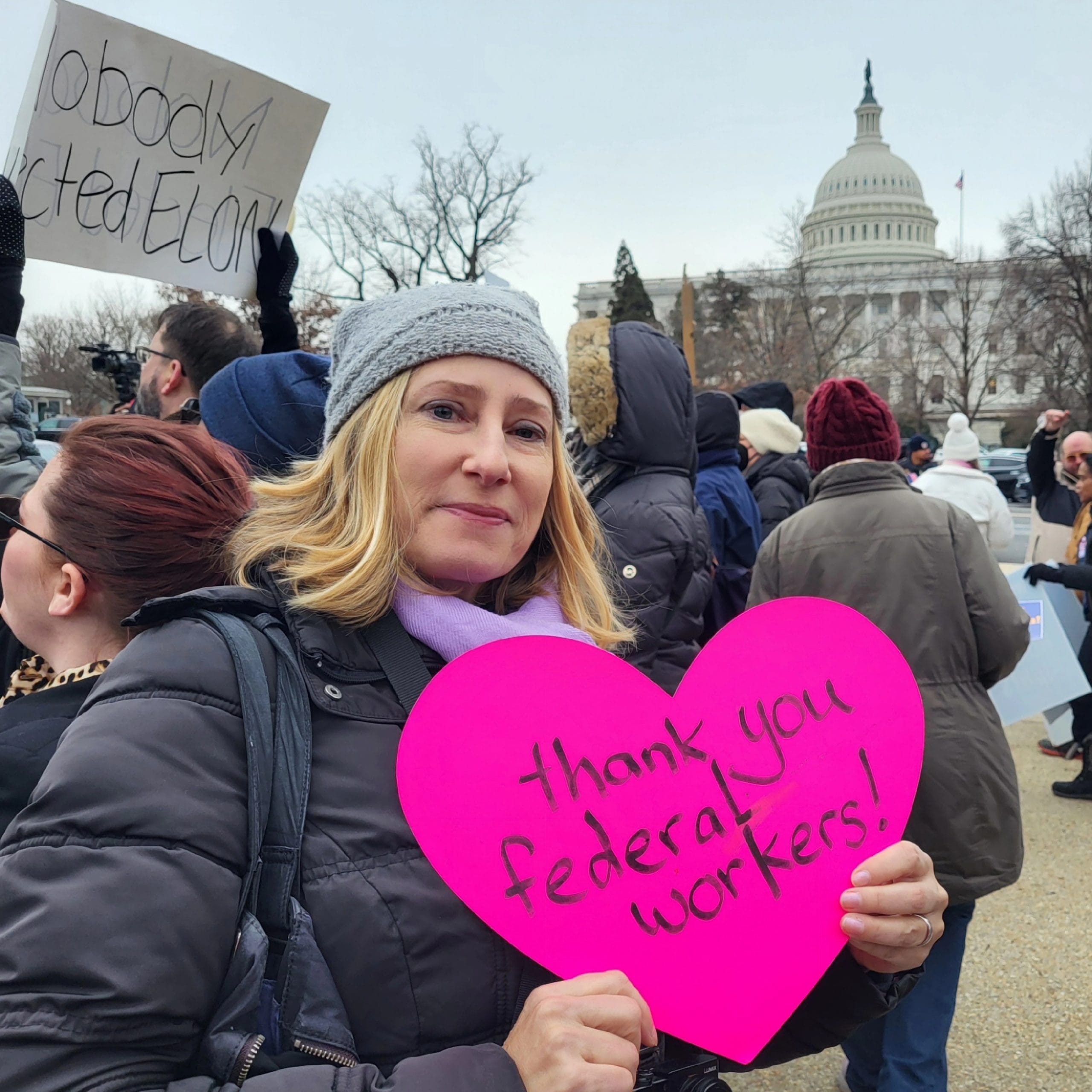
Hey, readers, I’m popping in to write this week’s intro so I can tell you a bit about all the resistance rallies now swirling around in our nation’s capital.
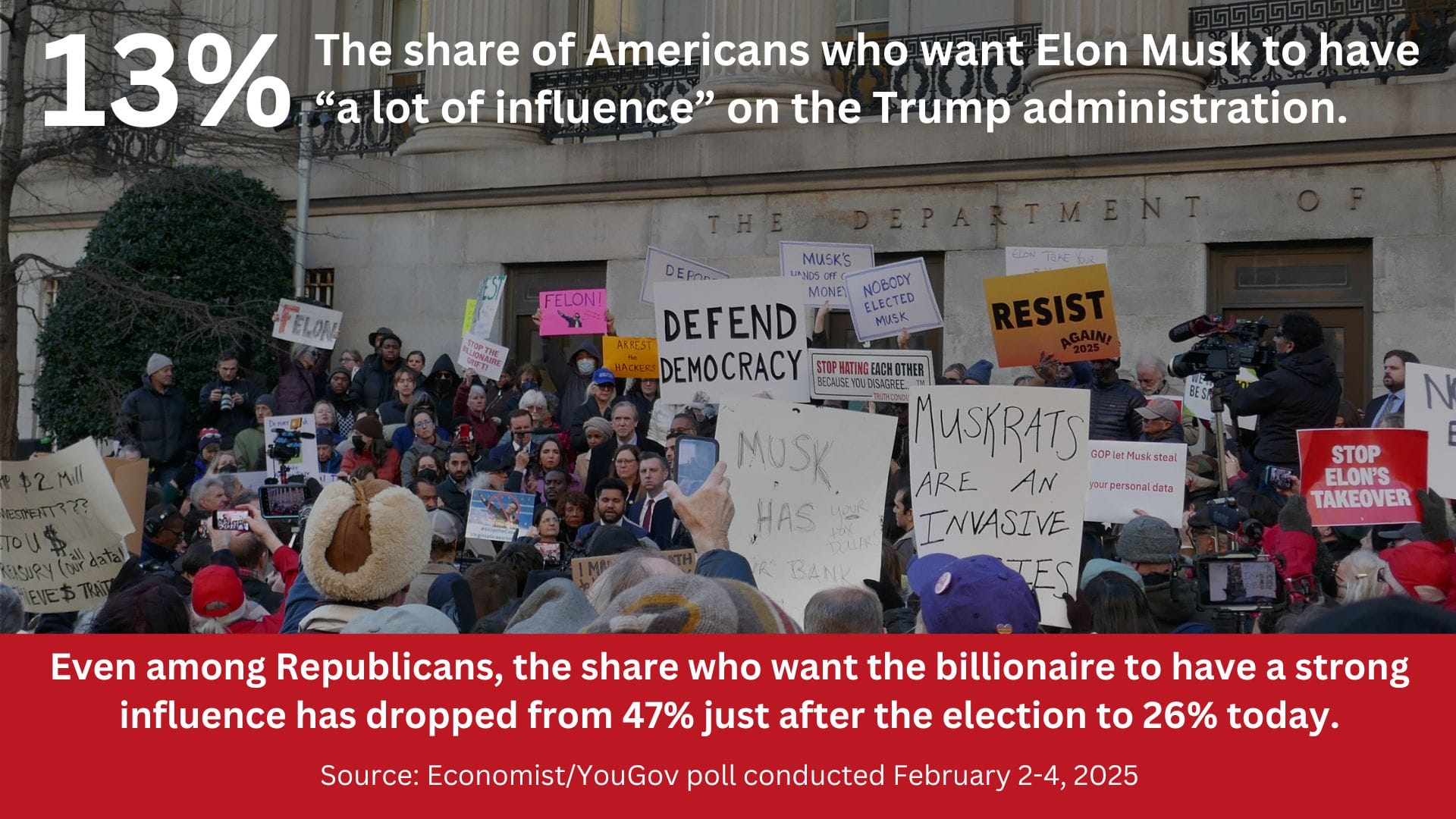
Yesterday I joined a federal worker protest where union leaders called on Democrats in Congress to use the March debt ceiling deadline as leverage to block the massive Trump cutbacks. The day before, I rallied at the Consumer Financial Protection Bureau, the agency that’s won $21 billion for fraud and discrimination victims. Elon Musk’s henchmen have shut down the CFPB and unions are suing to bring it back to life. Last week, I joined thousands outside the Treasury demanding that Musk’s thugs stop meddling in the system that handles Social Security checks and tax refunds. I also joined a Labor Department protest to block a Musk invasion of that agency.
I live in D.C. and — unlike millions of immigrants, federal employees, and other targets — I don’t have to fear retaliation for attending protests. I know, of course, that rallying alone isn’t going to end the Trump onslaught. But strong protests do send a powerful message to pols and judges that we’re not going to just stand by while unelected billionaires destroy our democracy for their personal gain.
To receive rally alerts, sign up with Indivisible — or DC Jobs With Justice if you’re local. Hope to see you in the streets! |
|
|
Sarah Anderson
for the Institute for Policy Studies’ Inequality.org team |
| |
|
INEQUALITY BY THE NUMBERS |
|
|
Fighting to Win the First Amazon Union Local in the South
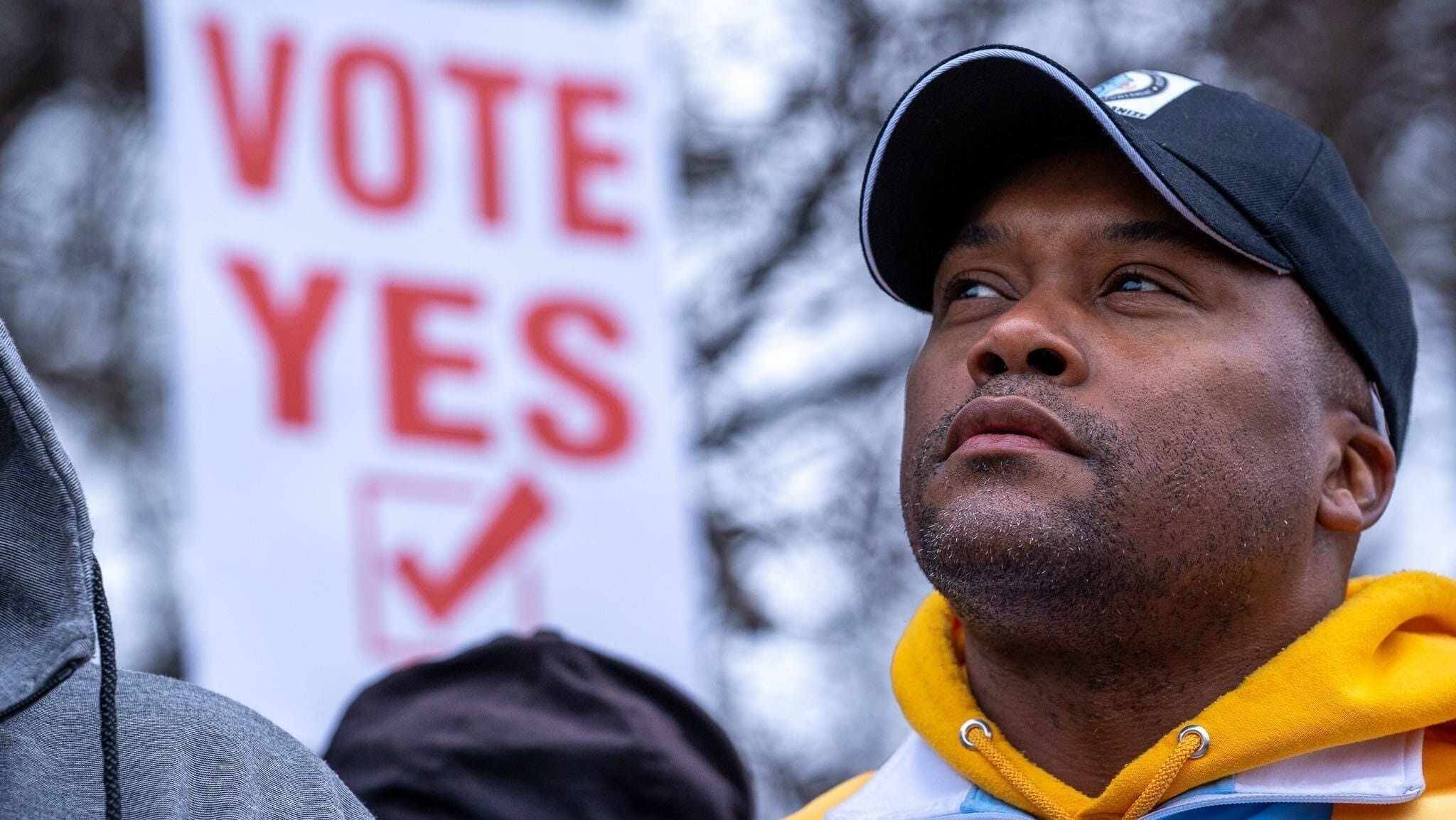
This week’s frontline face: The Reverend Ryan Brown, founder and president of Carolina Amazonians United for Solidarity and Equality, CAUSE for short. What he's doing to help create a more equal world: Brown and his fellow CAUSE leaders have been organizing a union campaign at Amazon's RDU1 warehouse in North Carolina’s Garner for the last three years.
That facility’s thousands of workers are voting this week on whether to become the South’s first unionized Amazon worksite. Brown has seen Amazon's union-busting first-hand. But he’s also seeing — after a successful worker organizing campaign at Whole Foods — momentum building for a union election victory.
What makes this fight so important to Brown: "Jeff Bezos is the second-richest man in the world,” Brown wrote for Inequality.org this week. “While he’s got his eyes on space, we’re fighting for a liveable wage and for adequate staffing so that no one loses a limb for two-day shipping."
Decent wages and staffing, Brown adds, are "not too much to ask." |
|
|
Bus Factory Win Offers a Clear Lesson for Labor Organizers: Money Talks
Workers for the New Flyer bus manufacturer formed a union last year in traditionally anti-union Alabama. Their first contract includes significant wage raises, cost-of-living increases, and improvements to retirement benefits. Why did these workers win in a state where so many other workers have lost?
New Flyer currently has a huge contract with the Los Angeles public transit system. Advocates in that city have negotiated a “community benefits agreement” with the firm that, among other conditions, requires the company to remain neutral in unionization campaigns. If New Flyer did not respect the Alabama workers’ rights, the firm risked losing those public funds.
“The New Flyer example,” as Nick Hertsch of Demos explains in an Inequality.org exclusive, “offers a clear lesson for organizers: Money talks, and employers listen to their workers much better when their public funding is on the line.” |
|
|
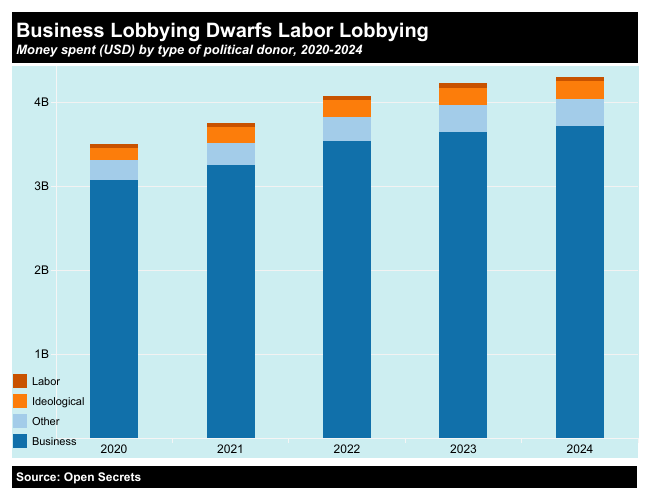
Our political system remains, unfortunately, heavily influenced by money. Business interests are simply outspending — outgunning, in effect — labor organizations. From the start of 2020 to the end of 2024, labor lobbyists spent more than $258 million. But the $17.1 billion the business sector doled out dwarfed that labor spending. For more, check the article below by Institute for Policy Studies researcher Omar Ocampo on the importance of focusing dollars on organizing. |
|
|
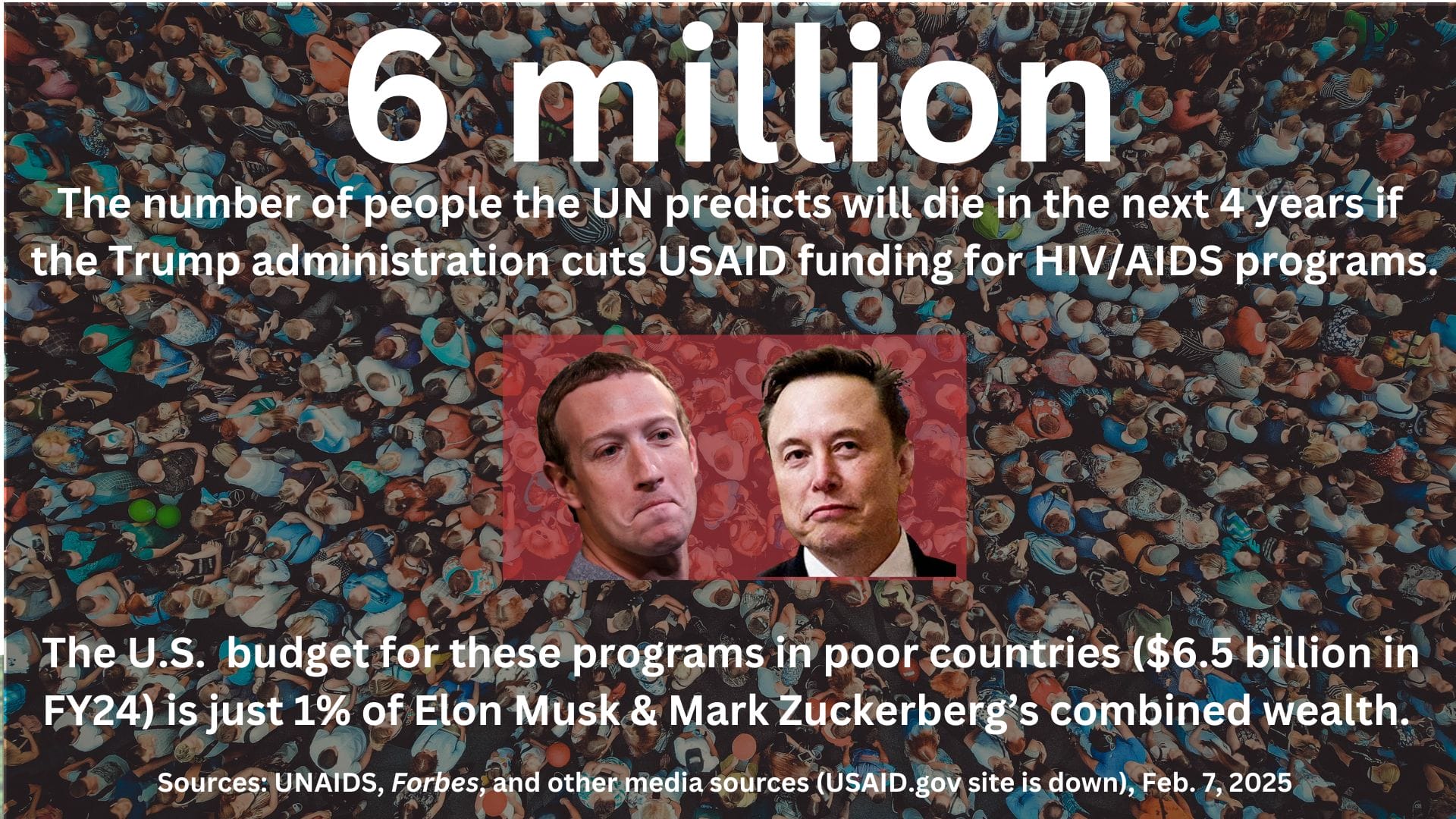
Will the Current Elon Musk Coup Define Our National Future? Our globe’s 10 richest have become so rich, Oxfam relates, that they could lose 99 percent of their wealth and still rate as billionaires. Nine of the world’s top 10 billionaires just happen to be Americans.
These super rich have been using their fortunes to distort our nation’s democratic foundations, and Elon Musk’s ongoing coup has given those foundations their most significant shaking yet. What could end that shaking, for both today and deep into tomorrow? Linking the current U.S. poverty line to a newly created “extreme wealth line,” just-released research suggests, could start us down a much more promising national path.
Inequality.org co-editor Sam Pizzigati has more. |
PETULANT PLUTOCRAT OF THE WEEK |
Searching Furiously for the ‘Villains’ at Every Federal Worker Desk
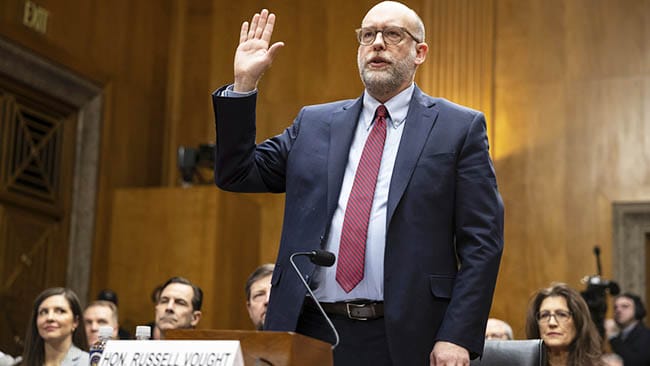
This week’s dour deep pocket: Russell Vought, the 48-year-old right-wing number-cruncher confirmed last week for his second go-around as director of the federal Office of Management and Budget.
What has Vought sour: the 47 Senate Democrats who slow-walked his confirmation vote with a 30-hour filibustering Senate marathon. Each Democrat, over those hours, named a federal-backed state effort at risk from Vought’s likely moves to freeze federal funding.
“Why doesn’t government run like a business?” asked Senator Brian Schatz from Hawaii during that Senate slow-walk protest. “Let me tell you why: Because if you ran government like a business, you would shut down every rural hospital.”
Vought has a $10-million net worth and a long history of demonizing federal programs and the federal staffers who make those programs go.
“We want the bureaucrats to be traumatically affected,” Vought announced in one 2023 speech. “When they wake up in the morning, we want them to not want to go to work because they are increasingly viewed as the villains.”
The last word: Senator Bernie Sanders from Vermont has dubbed Vought “Donald Trump’s architect for the oligarchy.” Under Vought’s direction, adds Sanders, the “savings” from cutting everything from Medicate to Meals on Wheels will go to providing “huge tax breaks to Elon Musk and other billionaires.” |
|
|
New on Inequality.org
Elizabeth Pancotti and Alex Jacquez, A Hostile Corporate Takeover of Our Democracy. Never before has one billionaire so thoroughly infiltrated our government and bent it for personal gain. Omar Ocampo, An Oligarchy Expert Answers Our Questions About Wealth and Empowerment. Northwestern professor Jeffrey Winters says he knows how to get billionaires to jump off the annual Forbes list of the richest Americans.
Abiramy Sivalogananthan, Garment Workers Are Uniting Like Never Before to Take On Nike. Despite public commitments, Nike execs continue to exploit workers in the Global South as the firm reels in ever more billions. Elsewhere on the web
Michael Podhorzer, Oligarchs Understand Power. Do We? Contrarian. Amid all the commentary about how to survive the Trump regime, almost no one mentions modern history's single most proven constraint on oligarchs like Elon Musk: trade unions.
Nick Shaxson, EU vs. US or People vs. Billionaires? Nation. Now unfolding: a global conflict between ordinary people everywhere, standing shoulder to shoulder against our globalized oligarchs. Robert Kuttner, Two Grifters Off to Seize the World, American Prospect. Most fascist dictators have been more about power than personal wealth. Trump and Musk have as much interest in enrichment as destroying the “deep state.”
Julia Conley, Campaign Targets Billionaire Tax Giveaways as GOP Set to Shaft Working Families, Common Dreams. The fair taxation advocacy group Unrig the Economy has opened a new drive against tax breaks for billionaires.
Jonathan Cooper, Bill Barrow, and Amelia Thomson DeVeaux, Some Trump voters are skeptical of his opening moves to embrace fellow billionaires, AP. Only about 1 in 10 voters see a White House relying on billionaires as a good thing.
Timothy Noah, The Real Secret Behind Trump’s Insane Tariff Obsession, New Republic. Wiliam McKinley, the last Republican president to resist establishing an income tax, counted on tariffs for revenue. Trump wants to bring those days back.
Rita Jefferson, The (Mostly Untapped) Power of Local Income Taxes, Institute on Taxation and Economic Policy. Local income taxes in the United States make up a quarter of tax revenues among municipalities that collect them, often displacing regressive, rich people-friendly sales taxes.
Emma Burleigh, The wealthy 1% are turning to new status symbols that can’t be bought — and it’s hurting Dior, Versace, and Burberry, Fortune. By living in-your-face effortless existences, the rich are signaling they don’t face the typical financial constraints others most certainly do.
Darko Janjevic, Bill Gates and the image of a ‘good billionaire,’ DW. African faith, farming, and environmental groups last year urged the Gates Foundation to acknowledge that its failing efforts have pushed “Africa’s food system towards a corporatized model of industrial agriculture, diminishing our people’s right to food sovereignty and threatening ecological and human health.”
|
|
|
Our research, editorial, and publishing team depends on hundreds of paid subscribers who make monthly gifts. Some give $3 each month; others give $200! All told, this support enables our team to stay focused on identifying causes and solutions to our deep economic inequality. Paid subscribers have contributed more than $20,000 in the past year. Ready to become a paid subscriber? Sign up today. |
|
|
Inequality.org | www.inequality.org | inequality@ips-dc.org Institute for Policy Studies
1301 Connecticut Avenue Ste 600
Washington, DC 20036
United States
Managing Editor: Chris Mills Rodrigo
Co-Editors: Sarah Anderson, Chuck Collins, Bella DeVaan, and Sam Pizzigati |
|
|
|