A weekly newsletter from the Institute for Policy Studies |
|
|
The new Trump administration’s first week has felt like a full frontal assault: aggressive spending cuts and the dismantling of federal agencies, with a limp reaction from our “opposition” party. And the general public reaction has seemed equally limp, in a stark contrast to the giant public protests like the Women’s March that greeted Trump his first time around in 2017.
But a deeper look tells a different story. Over the past few weeks, I've been canvassing for an organizing effort to lower living costs. I’ve also joined a lobbying drive to reform parole boards and protested a private health insurance provider's record profits.
What have all of these actions had in common? They’ve involved record-breaking numbers of volunteers willing to put in the work to improve society in the midst of a bleak national political climate.
I'm obviously lucky to have the time and energy to dedicate to a variety of different progressive causes — that's not a privilege that everyone shares. But even if you can’t physically be there, you can take solace in knowing that people are still fighting back. Together, we can build a more equal nation. Chris Mills Rodrigo
for the Institute for Policy Studies’ Inequality.org team |
|
|
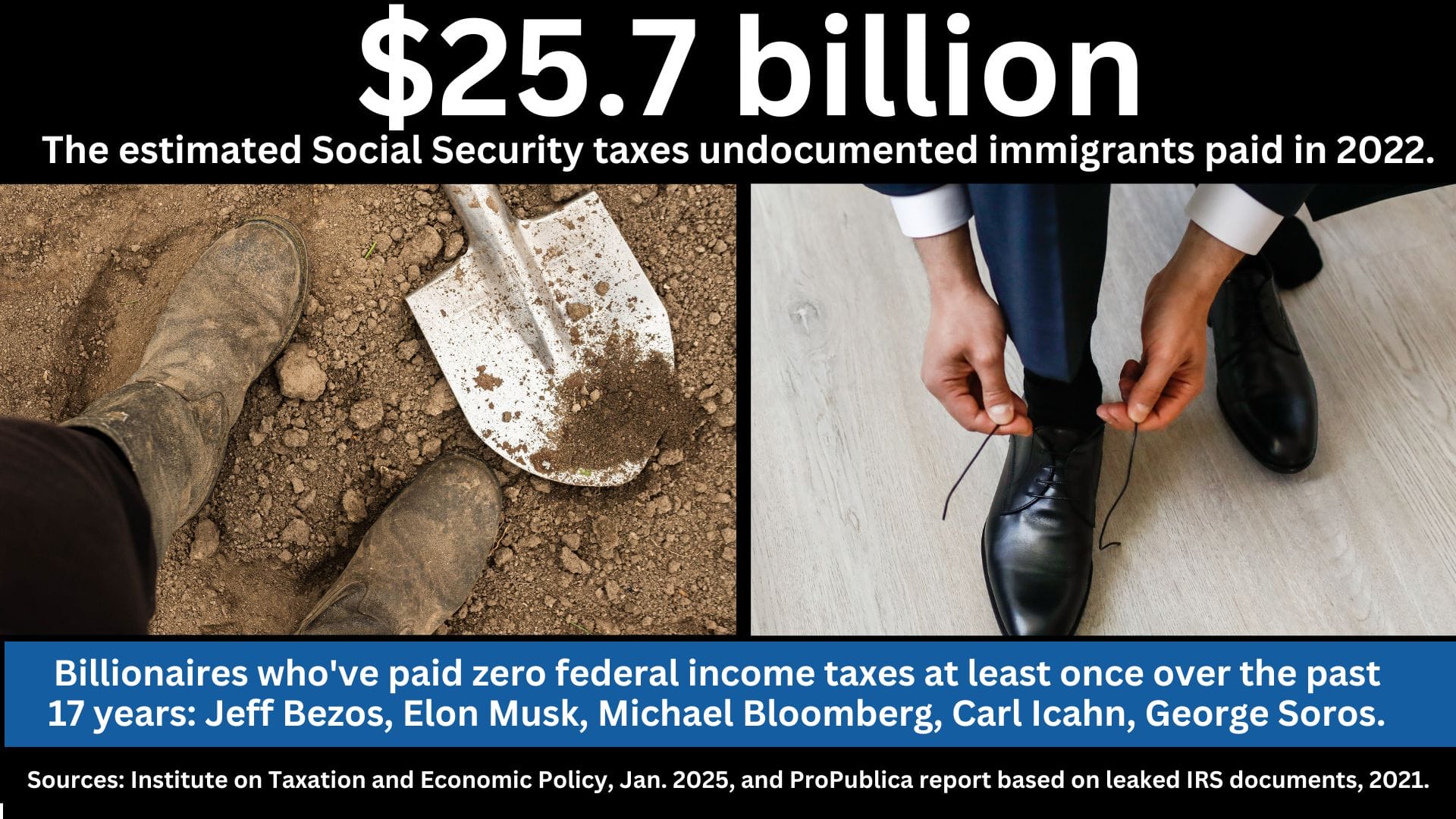
INEQUALITY BY THE NUMBERS |
|
|
Documenting a Major Labor Victory Against a Major Economic Colossus
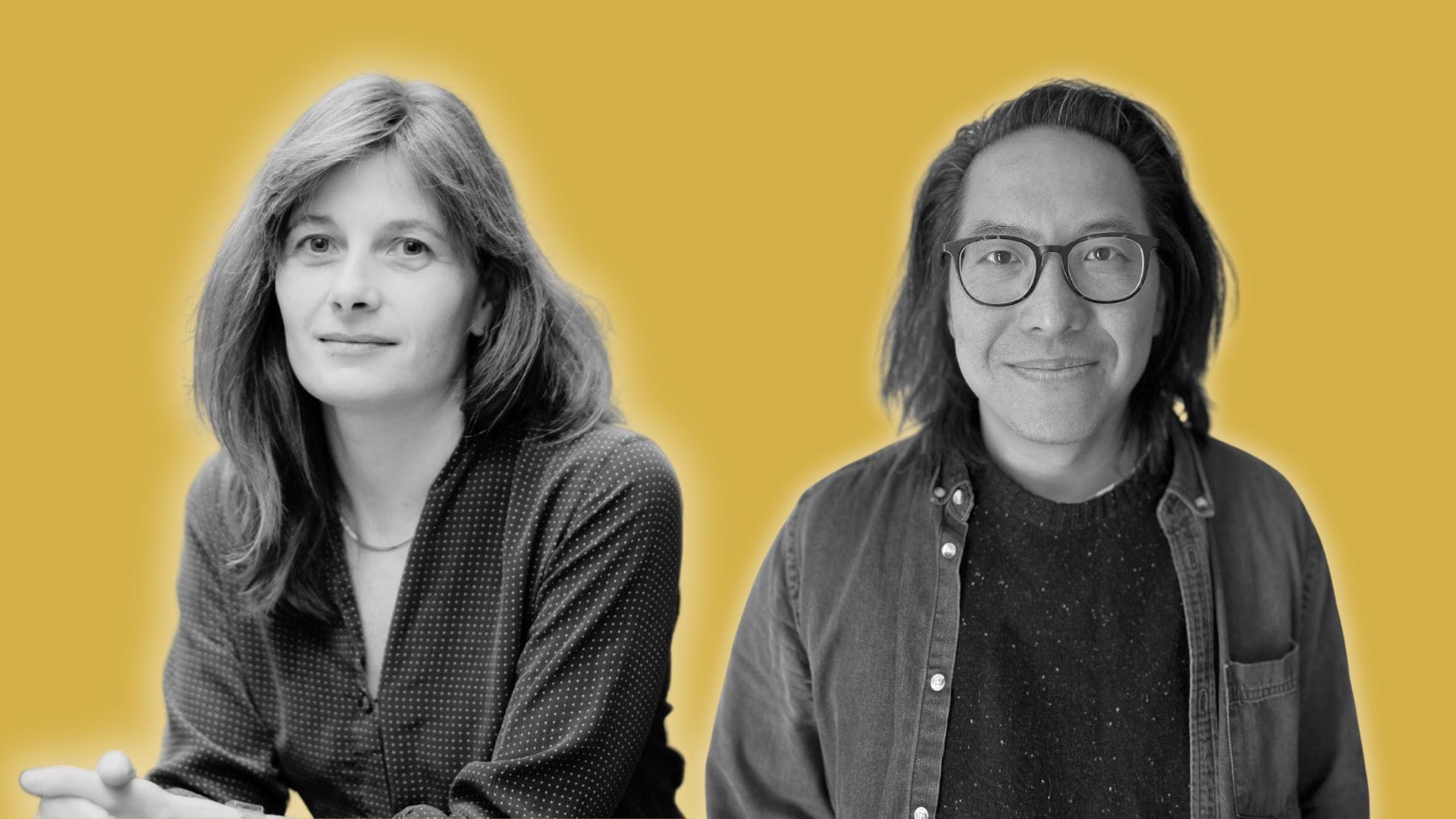
This week’s frontline faces: Brett Story and Stephen Maing, directors of a new film documenting the Amazon Labor Union victory at Amazon’s giant JFK8 warehouse facility on New York’s Staten Island.
What they've done to help create a more equal world: Union's filmmakers enjoyed an unprecedented level of access to the JFK8 organizing campaign. The filmmakers tracked the effort from its inception to its landmark 2022 triumph. Their film details how a rag-tag group of workers managed to convince thousands of their colleagues to vote “yes” on creating their own workplace voice.
What makes equality so important to them: "It’s not really about this one warehouse," Story told Inequality.org. "It is the symbolic and contagious effect of witnessing a group of people, especially Black and brown, working-class people, take on a company — without money, without expertise — and prove victorious."
Story and Maing spoke with Inequality.org this past week about the key takeaways from the film — and the difficulties in getting Hollywood to distribute a movie about a pivotal labor victory. |
|
|
Building a Movement Against the Crushing Impacts of AI
Despite the billions and billions of dollars pouring into artificial intelligence research, precious few positive earth-shattering applications of the technology have materialized. Instead, "AI" is helping along business as usual, in the process punishing America's poor behind a sheen of objectivity.
AI technology is determining whether people qualify for public benefits and making other crucial decisions affecting the lives of some 92 million low-income people in the United States today, a new report from TechTonic Justice details.
The organization's founder Kevin De Liban writes in a new piece for Inequality.org that community-based resistance that centers on those actually interacting with AI will be crucial to resisting the worst uses of this new technology. |
|
|
Overall poverty rates have fallen across the world, but the number of people globally now living under the World Bank poverty line of $6.85 a day, adjusted for purchasing power, remains the same as in 1990: almost 3.6 billion people, or 44 percent of humanity. As a recent Oxfam report points out, this global poverty rate nearly matches the share of the world’s wealth held by our richest 1 percent. For an interactive version of this chart and more on income, gender, and race inequality, click the link to our Inequality.org Facts section below.
|
|
|
Does a New Cryptocurrency ‘Roaring Twenties’ Now Beckon? Back in the 1920s, America’s economy boomed — for the rich — and then busted the nation into the Great Depression. Could Trump II and cryptocurrency now deliver a repeat?
Could be. To stave off any meaningful federal regulation, crypto billionaires and their pals invested well over $250 million in 2024 federal campaign contributions. They ended up winning ample crypto-friendly majorities in both houses of Congress. And, in Donald Trump, those billionaires have a president with a vested personal interest in crypto’s financial future. So what possibly could go wrong? Inequality.org co-editor Sam Pizzigati has more. |
PETULANT PLUTOCRAT OF THE WEEK |
To Hire Help, This High-Tech Chief Executive Takes the Low Road This week’s dour deep pocket: Sundar Pichai, the 52-year-old billionaire chief exec of Alphabet, the parent company of the Google empire, and an honored guest — along with his fellow Big Tech execs Elon Musk, Mark Zuckerberg, and Jeff Bezos — at last week’s Inauguration of Donald Trump.
What has Pichai sour: the pressure from the Steve Bannon-wing of Trump’s MAGA coalition to shut down the federal H-1B visa program that lets U.S. high-tech giants like Google hire engineering labor from India at bargain rates. The program, Pichai has countered, “has contributed immensely to America's economic success” and made “Google the company it is today.”
Trump, once a H-1B foe, now claims he’s “always been in favor of the visas.”
H-1B hasn’t been Pichai’s only ace in the big-profit hole. Last April, Pichai sent Alphabet shares soaring by announcing the company’s first-ever dividend and a $70-billion stock buyback.
The last word: “Tech companies want to use the H-1B visa program to keep their software workforce at substandard wages,” the veteran immigrant-rights activist David Bacon noted last week. “They all expect Trump to meet their demands and poured money into his campaign to make sure that happened.” |
|
|
Chuck Collins, World leaders at Davos need to tax millionaires like me. The fate of our planet and democracy depends on it, Fortune. Billionaires will likely get their way this year with the GOP running the White House and Congress. But that control may come at a hefty price: the demise of America’s remaining democracy.
Robert Reich, Trump's first week: The Real Story, Substack. The president is implementing a plan to make the wealthiest people in America far wealthier and more powerful, including Trump himself. Carl Beijer, There's No Such Thing as a Good Billionaire, Jacobin. Democracy, ultimately, just can’t coexist amid massive concentrations of wealth. Hamilton Nolan, On Having a Maximum Wealth, How Things Work. As long as we let the people who control AI make unlimited money from it, making unlimited amounts of money for those people will be the underlying goal of the AI industry. Robert Weissman, DOGE Delusions, Public Citizen. A real plan to crack down on corporate handouts and invest in our future.
Bernie Sanders, What Trump didn’t say in his inauguration speech, Guardian. America’s three richest have seen their fortunes jump by over $233 billion since Trump’s election. All three sat right behind him at his inauguration. They couldn’t be happier.
Grace Blakeley, The Billions vs. the Billionaires, Zeteo. The end of ethical capitalism has created a problem for the billionaire class: If they can’t claim to be responsible stewards of the global economy, why should the world’s workers continue to accept their authority?
Joseph Stiglitz, The End of Progress, Project Syndicate. Sheer scale and brazenness differentiate today’s American-style corruption from its past forms. American oligarchs can now openly “contribute” hundreds of millions to a politician’s election campaign in exchange for wealth-concentrating favors.
Marina Pino and Julia Fishman, Fifteen Years Later, Citizens United Defined the 2024 Election, Brennan Center. A look at how the influence of the rich soared after the Supreme Court swept away long-established campaign finance rules.
Lucas Kunce, Steel Tail Feathers, Substack. In 1899, amid the first Gilded Age, the economist Thorstein Veblen observed that our richest — the “leisure class” — flaunted their success by spending wastefully. That “conspicuous consumption” continues to distort our lives today, only with more dire consequences.
Garrett Neiman and Otis Pitney, A New Year’s Resolution for the Wealthy: Take a Sabbatical From Getting Richer, Chronicle of Philanthropy. By donating any wealth accumulated after January 1, people of means couldS help others and enrich their own lives. |
|
|
Our research, editorial, and publishing team depends on hundreds of paid subscribers who make monthly gifts. Some give $3 each month; others give $200! All told, this support enables our team to stay focused on identifying causes and solutions to our deep economic inequality. Paid subscribers have contributed more than $20,000 in the past year. Ready to become a paid subscriber? Sign up today. |
|
|
Inequality.org | www.inequality.org | inequality@ips-dc.org Institute for Policy Studies
1301 Connecticut Avenue Ste 600
Washington, DC 20036
United States
Managing Editor: Chris Mills Rodrigo
Co-Editors: Sarah Anderson, Chuck Collins, Bella DeVaan, and Sam Pizzigati |
|
|
|