A weekly newsletter from the Institute for Policy Studies |
|
|
By the time the next edition of this newsletter appears in your inbox, we may well know who’ll be the next president of the United States. But, given our archaic voting arrangements and the growing share of mail-in ballots, we more likely won’t have a conclusive result until hours or even days later.
What will we be able to say conclusively about the election next Wednesday? Billionaires once again have had an outsized role in our democratic process.
Just this past week, the billionaire owners of the Washington Post and Los Angeles Times have both intervened in the editorial process of their papers to spike endorsements for Kamala Harris. And, in Pennsylvania, Elon Musk — in what is more likely than not an illegal vote-buying scheme — is offering residents entry into a $1 million daily lottery if they have registered to vote.
Our friends at Americans for Tax Fairness have more to add along this line. Just 150 billionaire families, their new report details, have contributed a record breaking $1.9 billion in support of this election cycle’s presidential and congressional races. Our democratic system remains warped. We’ve allowed some in our electorate to have a resoundingly louder voice than the rest of us.
Chris Mills Rodrigo
for the Institute for Policy Studies’ Inequality.org team |
|
|
INEQUALITY BY THE NUMBERS |
|
|
Proving That Immigrants Most Certainly Make America Better
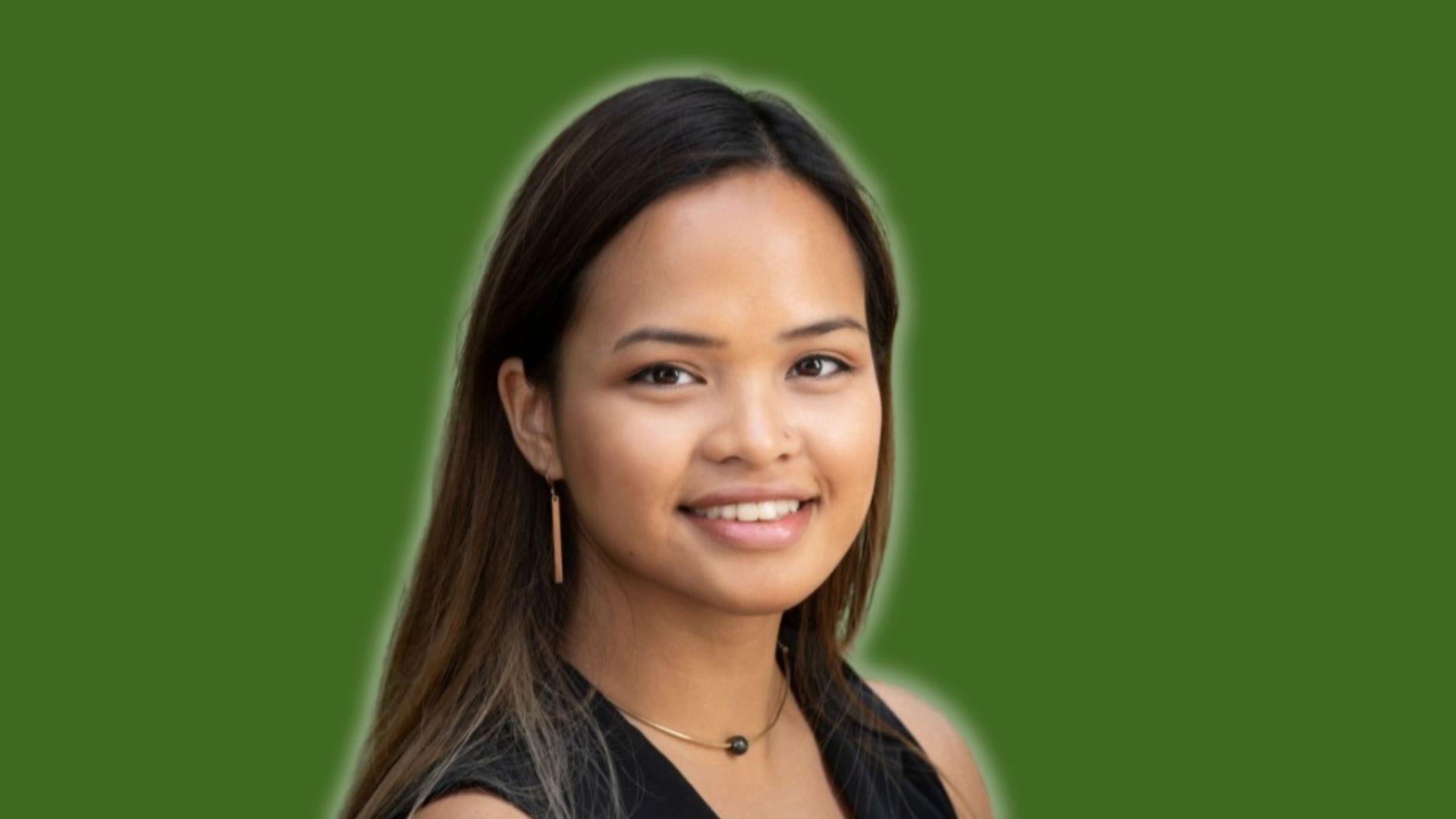
This week’s frontline face: Alliyah Lusuegro, one of our colleagues at the Institute for Policy Studies. The federal Deferred Action for Childhood Arrivals program, DACA, protects both her and her twin brother from deportation.
What she’s doing to help create a more equal world: Lusuegro has written extensively about the need for a more just and humane immigration system. She's also raised the alarm about the tangible impacts of former President Trump’s threats to kick off mass deportations if elected.
Those kind of threats often come couched in rhetoric about immigration’s negative economic impacts. But as Edgar Aguilar and Ernesto Castañeda from American University write in a new piece for Inequality.org, immigrants, refugees, and asylum seekers create jobs, growth, and a stronger U.S. economic future.
What makes equality so important to her: “Immigrants,” notes Lusuegro, “bring opportunity and possibility to the United States.” "Not only do we contribute to the economic engine here as students and professionals, business owners, healthcare and essential workers,” she adds, “we are humans trying to live good and successful lives like anyone else.” |
|
|
Federal Politics Got You Down? Take a Look at Massachusetts
Congressional tax negotiations haven’t gone well in recent times for those interested in making sure the wealthy pay their fair tax share. The 2017 Trump tax cuts that expire at next year’s end have been a boon for our nation’s richest.
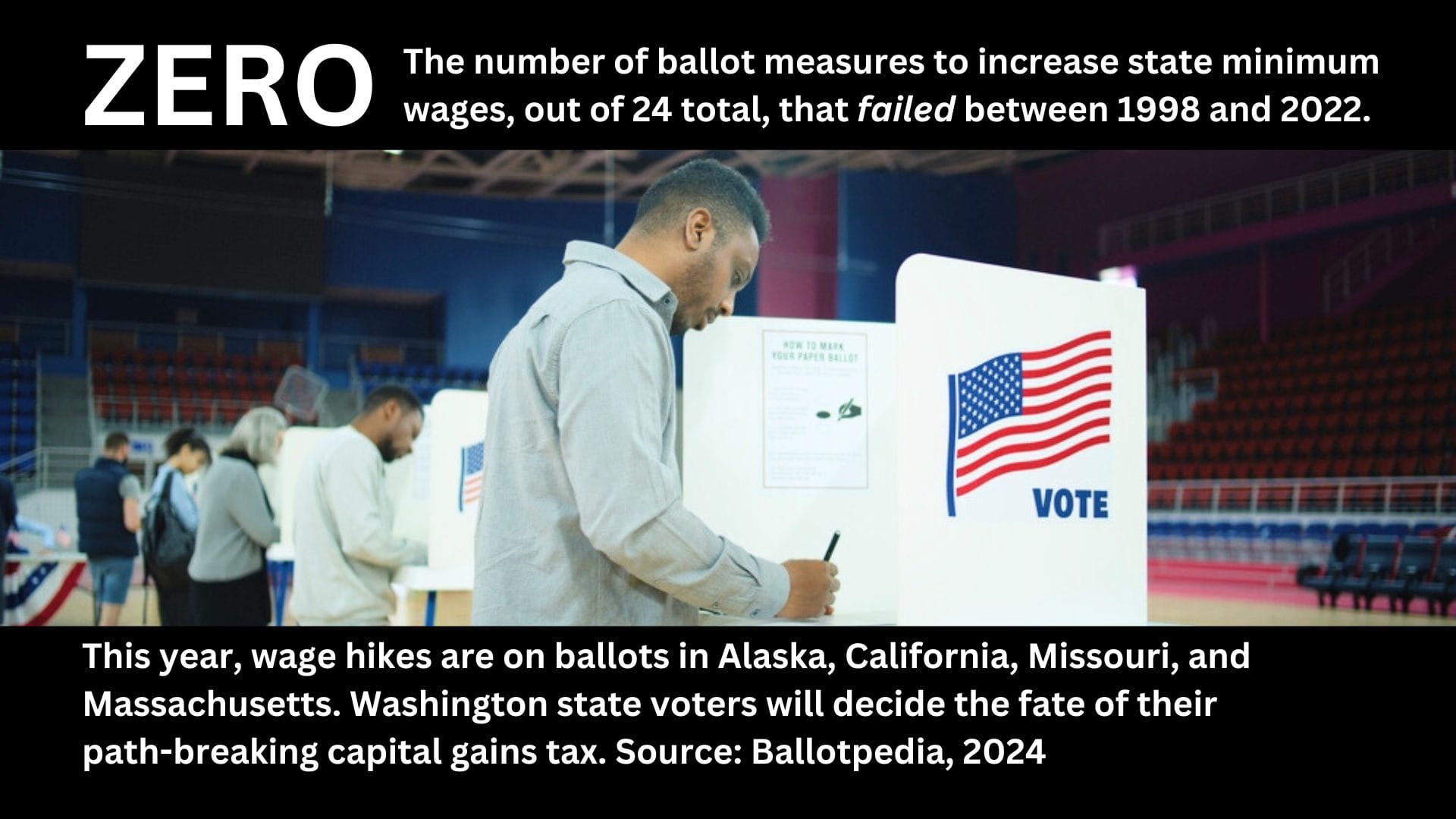
Facing this bleak federal landscape, advocates for a more equitable tax code in Massachusetts have pushed through a progressive tax measure known as the Fair Share Amendment. In the two years since its passage, this move has imposed a 4 percent surtax on annual incomes over $1 million.
This surtax has been far more successful than analysts originally projected, collecting an astounding $2.2 billion in its first full year of implementation. That windfall has allowed state lawmakers to ramp up funding for education and transportation. And none of the dystopian predictions from defenders of inequity, our Inequality.org team’s Omar Ocampo points out, have materialized. |
|
|
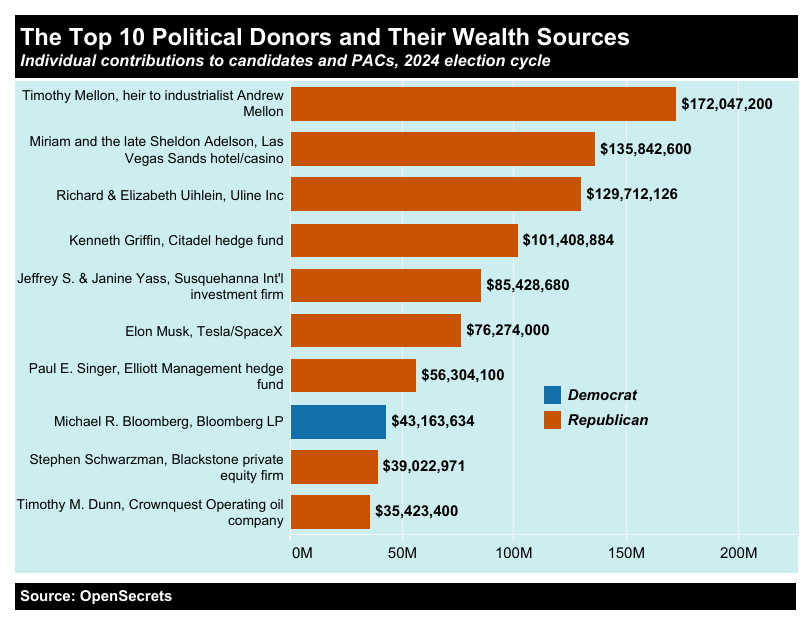
Our nation’s top 10 individual political donors and their spouses have pumped $875 million to political candidates and PACs over the course of the 2024 election cycle. And this total reflects just traceable contributions. The ultra-wealthy are funneling many more dollars into dark money spending groups and PAC-to-PAC donations. For more charts on income, wealth, gender, and race inequality, click the link to our Inequality.org Facts section below. |
|
|
Can America’s ‘Self-Made’ Men Now Make a President? The legitimacy of billionaire fortunes has always rested on the entrepreneurial myth that our super rich invoke at every opportunity. Our brilliance, that myth goes, made us our billions. How dare any government make any move to tax away any significant chunk of our “self-made” fortunes!
The Biden administration has so dared, most notably by proposing a “billionaire’s tax.” For the billionaire venture capitalist — and one-time Democrat — Marc Andreessen, that Biden proposal would be “the final straw.” Andreessen has since then joined the pro-Trump ranks. Could billionaires like Andreessen decide what happens on Election Day? Inequality.org co-editor Sam Pizzigati has more. |
PETULANT PLUTOCRAT OF THE WEEK |
Freedom of the Press: If You Own One, You Have It
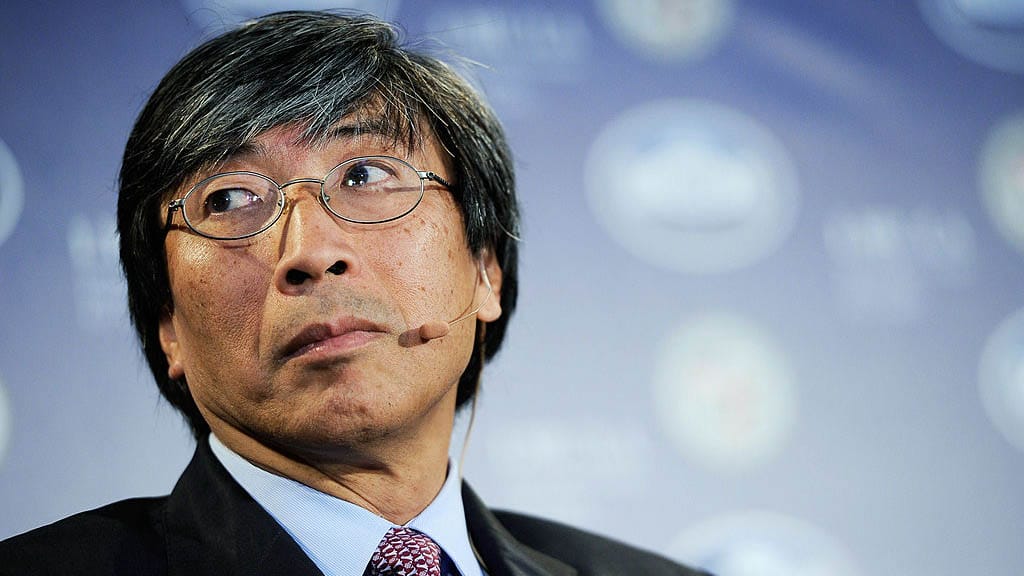
This week’s dour deep pocket: Patrick Soon-Shiong, the 72-year-old billionaire doctor and pharmaceutical exec who purchased the Los Angeles Times in 2018.
What has Soon-Shiong sour: the controversy over the Times decision earlier this month not to publish an endorsement in the 2024 presidential race. That decision reportedly came from Soon-Shiong — over the objections of his paper’s editorial board.
Soon-Shiong’s stewardship of the West Coast’s most prominent daily has witnessed, Politico has reported, “internal discord and concerns over priorities.” Two years ago, that discord led to a staff exodus at the paper’s D.C. bureau, an upheaval that the paper’s executive editor, Kevin Merida, at the time downplayed as what happens when journalists are “building a brave modern media company.”
Earlier this year, Merida himself resigned after Soon-Shiong expressed his displeasure over a Times investigation with the potential to embarrass one of his billionaire friends.
The last word: Last week, in the wake of Soon-Shiong’s refusal to allow a Times presidential endorsement, the paper’s editorials editor, Mariel Garza, announced she had resigned. Her reason: “In dangerous times, honest people need to stand up. This is how I’m standing up.” |
|
|
What's new on Inequality.org
Bob Lord, Why Is Elon Musk Supporting Donald Trump? Tax Avoidance! Like so many of his fellow billionaires, the world’s richest man is placing wealth over country.
John Feffer, Billionaires vs Democracy. The rich are trying to buy elections all over the world — and consign democracy to the trash bin of history.
Elsewhere on the web
Steven Greenhouse, ‘Zombie-like’: the US trade agreement that still haunts Democrats, The Guardian. The working class saw Clinton’s support of Nafta, which cut most tariffs between US, Mexico and Canada, as ‘a betrayal.'
Katie Hawkinson, Conservative billionaires are dumping millions into groups that are pushing election fraud conspiracies, Independent. A group of wealthy conservatives has funneled $140 million to organizations ready to challenge the 2024 presidential election results.
Walter Smolarek, Behind Musk’s Vote Buying: The Dictatorship of the Billionaire Class, Liberation News. The trend towards ever more blatant election-buying represents a logical outcome of a social order where huge amounts of wealth sit concentrated in so few hands. Steven Greenhouse, If Trump Wins, Blame the Billionaires, Slate. Without them, this presidential race wouldn’t be close at all.
Heike Buchter, Meet The Palm Beach Billionaires Bankrolling Trump’s Return To The White House, WorldCrunch. The ultra-rich enclave of Florida’s Palm Beach has become the heartbeat of the MAGA movement. Gabrielle Gurley, Washington Tests Its Climate Ambitions, American Prospect. A hedge fund executive-backed ballot initiative in Washington State could repeal the Climate Commitment Act, the state's landmark cap-and-invest program.
G20 Countries Reaffirm Pledge To Cooperate On Taxing Super-rich, Agence France Presse. The latest declaration from top global finance ministers, says Oxfam International, reflects an emerging consensus “to reduce extreme inequality by ensuring the ultra-rich pay their fair share.”
Matt Hopkins and William Lazonick, Musk and Tesla: Corporate Compensation, Financialization, and the Problem of Strategic Control, Institute for New Economic Thinking. We have many examples of actions that Elon Musk has taken that call into question his commitment to maintaining Tesla as an innovative enterprise.
Marianna Belloc, Roberto Galbiati, and Francesco Drago, The Medici’s quiet coup: How the wealthy bend politics without shifting institutions, VoxEU. A look back into history to see how concentrated wealth can corrupt a relatively open political system.
Will Hutton, Britain’s wealth gap is growing. Its malign effects seep into all aspects of life. It’s a national disaster, Guardian. Never forget Francis Bacon’s 400-year-old epic line: “Money is like muck, not good except it be spread.”
Pete Dolack, There Are Minimum Wages, Why Not A Maximum Wage? Systemic Disorder. A maximum wage might be one way to tamp down some of the massive inequality that exists around the world. |
|
|
Our research, editorial, and publishing team depends on hundreds of paid subscribers who make monthly gifts. Some give $3 each month; others give $200! All told, this support enables our team to stay focused on identifying causes and solutions to our deep economic inequality. Paid subscribers have contributed more than $20,000 in the past year. Ready to become a paid subscriber? Sign up today. |
|
|
Inequality.org | www.inequality.org | inequality@ips-dc.org Institute for Policy Studies
1301 Connecticut Avenue Ste 600
Washington, DC 20036
United States
Managing Editor: Chris Mills Rodrigo
Co-Editors: Sarah Anderson, Chuck Collins, Bella DeVaan, and Sam Pizzigati |
|
|
|