A weekly newsletter from the Institute for Policy Studies |
|
|
I started off last week watching the total eclipse from the "Northeast Kingdom" of Vermont — an unforgettable experience, despite a terrible traffic jam.
The next day I was in Washington, D.C. for a conference hosted by the Patriotic Millionaires, a group of high-net-worth individuals committed to reducing inequality by, among other things, paying their fair share in taxes.
I was a speaker at the conference, an event ambitiously titled “How to Fix Everything.” I also heard from advocates and experts at the forefront of issues ranging from taxing the rich and raising the wage floor to limiting the influence of our wealthiest on our democracy. A recording of the conference, which was live streamed by 1.7 million viewers, can be found here.
As Patriotic Millionaires founder Erica Payne said: “It will be hard to fix America, but it’s not that complicated.” It all comes down to reversing the grotesque concentration of wealth and power that we attempt to chronicle for you everyday at Inequality.org and in this newsletter.
Over the next few weeks we'll be experimenting with a few changes to our newsletter (like this introduction!). As always, if you have any thoughts about our weekly missives — good or bad — feel free to get in touch with our terrific new editor, Chris Mills Rodrigo, by replying to this email. Chuck Collins
for the Institute for Policy Studies’ Inequality.org team |
|
|
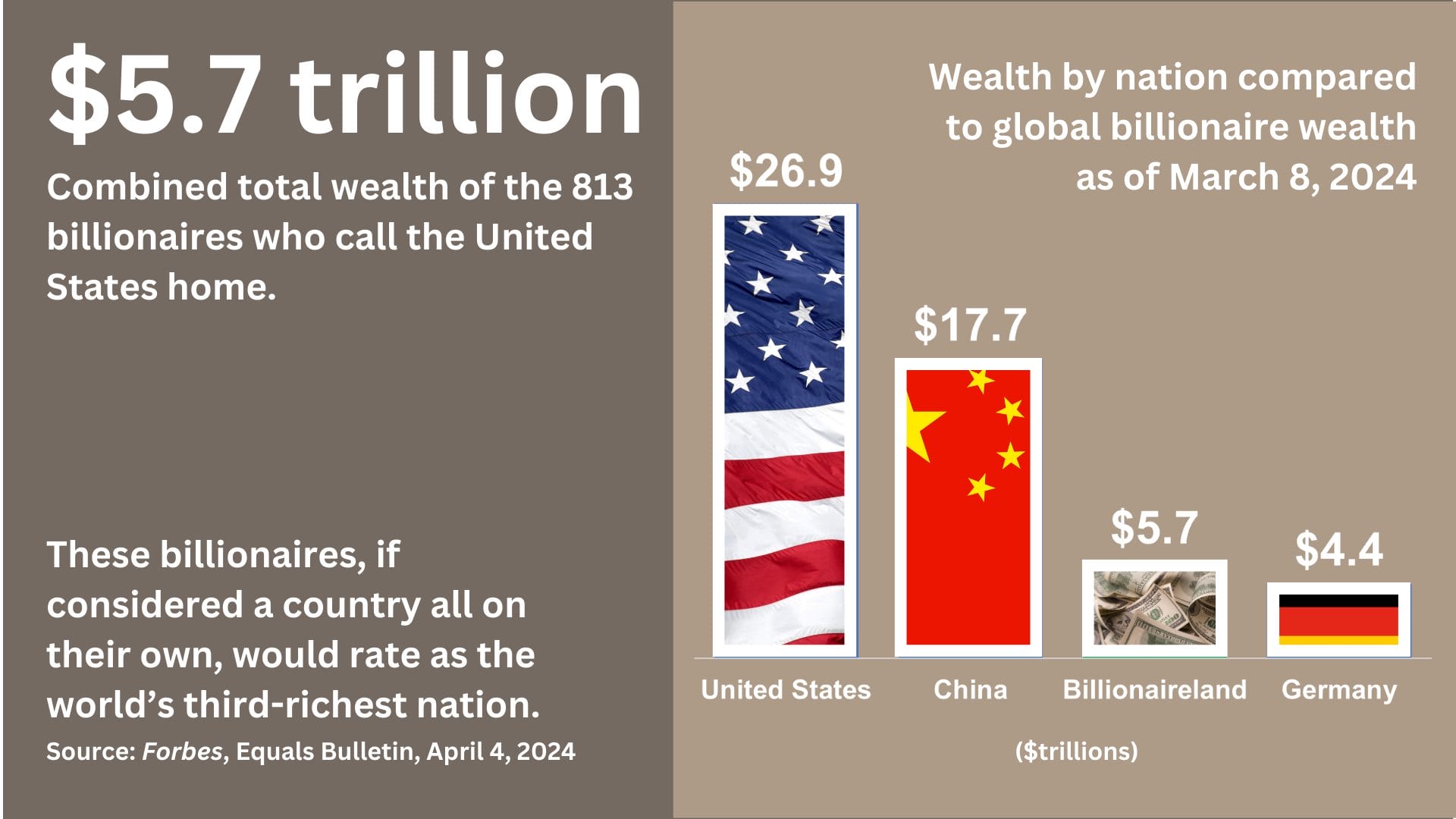
INEQUALITY BY THE NUMBERS |
|
|
Laying the Blame for Grocery Prices on Corporate Greed
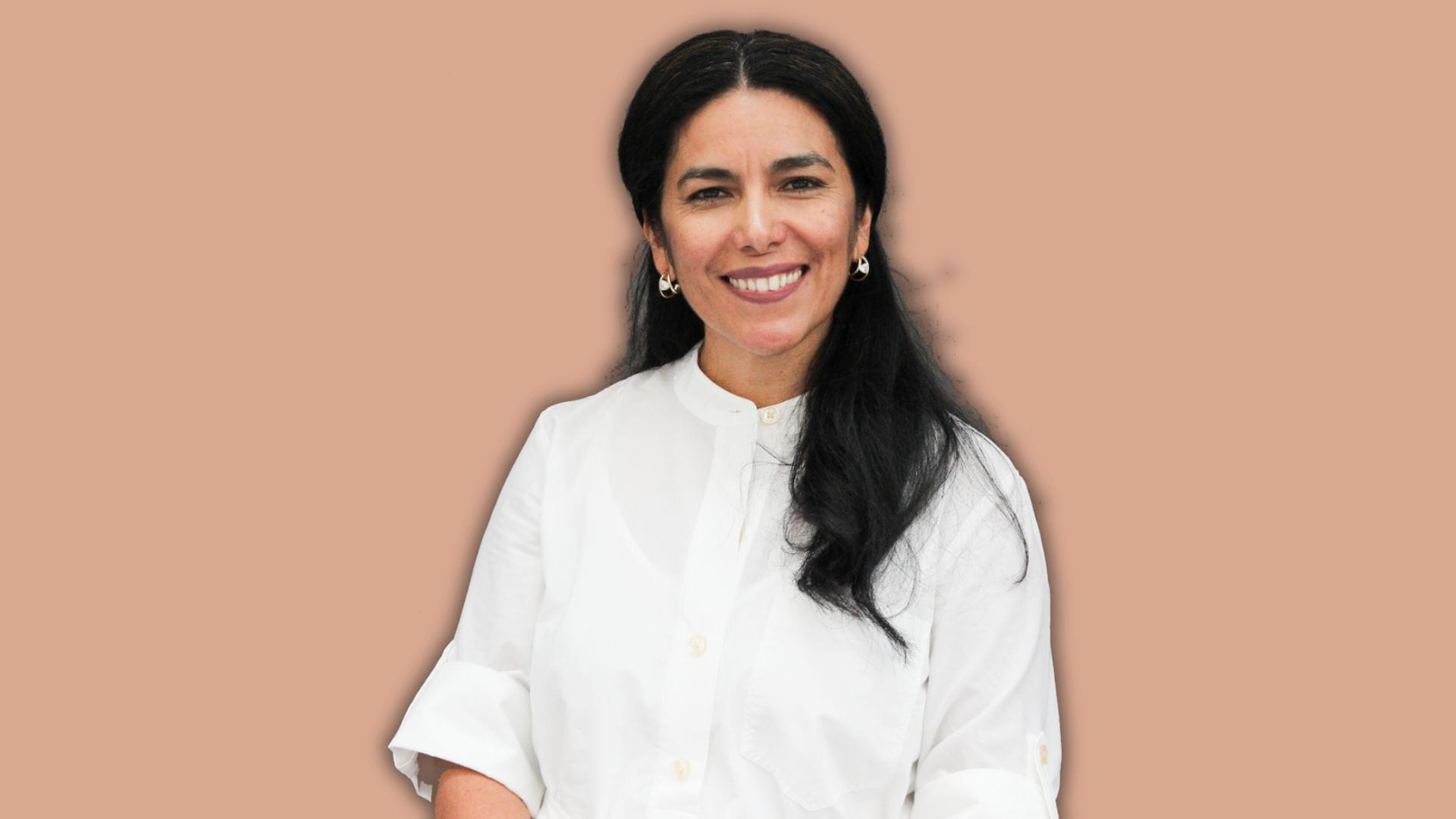
This week’s frontline face: Sulma Arias, the executive director of People's Action Institute and People's Action. As the first Latina immigrant leader of the network of state and national organizations, Arias uses her position to help communities take charge of their own stories.
What she’s doing to help create a more equal world: Arias is among many leaders in the fight to name and shame what’s really driving our collective cost of living crisis: corporate greed. In a piece this week, Arias pulled on her own experience limiting grocery spending on a young family to highlight how much the elevated prices of food are harming low-income communities.
Since the start of the pandemic, massive corporations have laid the blame on price spikes on external factors from supply chains to economic policy. The reality, Arias argues, is that these firms will take any excuse to line their own pockets, even if that means depriving Americans of their basic necessities. Exposing those motives and putting pressure on grocery chains like Walmart, Kroger, and Amazon, which owns Whole Foods, is a critical first step to a fairer economy. What makes equality so important to her: “My daughters are all grown now, yet whenever I’m buying groceries, I still get that horrible feeling in the pit of my stomach as I remember not knowing if we would have enough to eat, and how much — or how little — I could provide for my family with $100,” Arias says.
“Prices for all of us have gone way up since COVID, and $100 now buys about $65 worth of groceries, compared to five years ago. This puts a huge bite on working families, because we spend most of our income every month — as much as 90 percent — on food and other necessities.” |
|
|
Direct File is a Crucial Step Toward Fair Taxation
This tax day was a special one because for the first time several thousand Americans — over 100,000 to be exact — filed their returns digitally directly to the IRS. The agency’s Direct File system went live in 12 states this year with an eye to serve even more jurisdictions in the future, breaking the dominance that for-profit tax preparation companies have enjoyed for years.
Over 50,000 taxpayers filed online for free with the IRS in just the last week before the deadline, showing that demand could be even higher when the word gets out about the program. Our friends at Color of Change and the Groundwork Collaborative have been trying to do just that.
In a new report published last week, they exposed how Intuit’s TurboTax and H&R Block target Black and low-income communities, often misleading them into paying for tax services despite being eligible to file for free. Over 70 percent of taxpayers are eligible for free filing with private firms, only 3 percent take advantage of it.
The introduction of the IRS's Direct File program into more states will make it harder for these for-profit tax preparers to prey on economically disadvantaged communities and save taxpayers significant money. We can hope that an honest program with no hidden incentive to charge you, like the IRS’s, will help rebuild trust in government programs writ large. |
|
|
Mass Layoffs Have America’s Rich Thriving — and Workers Writhing
Some 66 percent of U.S. adults are currently worrying that they wouldn’t have enough emergency savings to cover a month’s worth of living expenses if they lost their primary source of household income. Plenty of American adults, the Labor Institute’s Les Leopold reminds us, are losing that primary source of household income, their job. Mass layoffs have become “so commonplace” that top corporate execs “do not hesitate to slash jobs whenever they feel it necessary.” Who benefits from this reality? Who could fix it? Inequality.org co-editor Sam Pizzigati has more.
|
PETULANT PLUTOCRAT OF THE WEEK |
A Boycott Even the Legendary Tony the Tiger Might Join
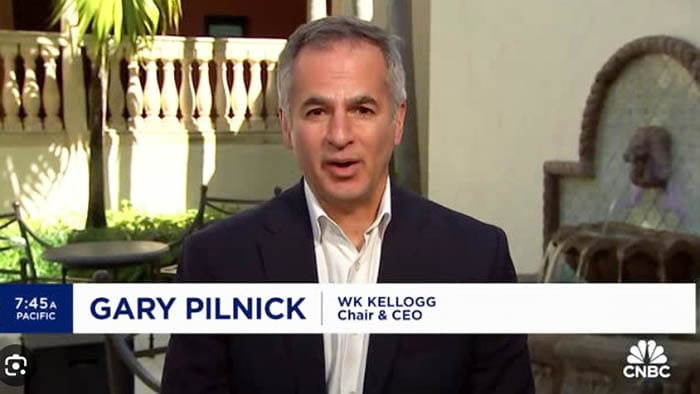
This week’s dour deep pocket: Gary Pilnick, the CEO of the corporate cereal giant WK Kellogg.
What has him sour: the derision — and anger — that greeted Pilnick’s comments earlier this year that positioned cereals like Frosted Flakes as a handy dinner alternative for families struggling financially to put food on the table. Kellogg’s, under Pilnick, has been running an ad campaign that asks consumers to “give chicken the night off” and start trying cereal instead.
That campaign, Pilnick explained in an interview with CNBC, makes eminent business sense since the “affordable” cereal category “tends to be a great destination when consumers are under pressure.”
Pilnick made that comment, Axios points out, while standing in front of a five-star Florida hotel.
The last word: Consumers are now using TikTok to organize a nationwide boycott of Kellogg’s that will last through June. Notes one boycott leader: “They told us to eat cereal and we think it’s time for them to start eating their own cereal — because the rest of us won’t be buying it.”
|
|
|
What's new on Inequality.org
William Rice and Zachary Tashman, Our Tax History Holds the Key to a Fairer System. New research shows that average tax rates for big earners have dropped precipitously since the middle of last century. Luke Hildyard, Who Are the Actual ‘Sober Realists’ in the Inequality Debate? Bold measures are pragmatic at a time when advanced economies are seeing income and wealth concentration levels near historic highs. Elsewhere on the Web
Chuck Collins, Why some high-income Vermonters say 'raise my taxes', Brattleboro Reformer. A look at some of the folks behind Vermont's push to pay for housing solutions.
David Cay Johnston, Antitax Nation, American Prospect. Michael Graetz’s new book, The Power to Destroy: How the Antitax Movement Hijacked America, explores how clever marketing has duped Americans into shoveling more tax breaks to the wealthy and the corporations they run.
Katharina Pistor, Will Boeing Crash Shareholder Value? Project Syndicate. Boeing’s largest union has demanded a board seat to “save this company from itself.” Can Boeing’s disasters end up crashing the only-share-price-matters mantra that continues to fuel America’s top-heavy economic concentration?
Eric Reinhart, Money as Medicine — Clinicism, Cash Transfers, and the Political–Economic Determinants of Health, New England Journal of Medicine. Health administrators and public health officials face pressures from philanthropic funders and politicians to abstain from highlighting the economic determinants of health or insisting on policies that could address economic inequality.
Martin Bennett, California needs higher taxes on wealth, Press-Democrat. One needed new approach: raising corporate tax rates on large corporations that pay their CEOs far more than their workers. Ginia Bellafante, The Perilous Existence of a Hamptons Day Laborer, New York Times. In the shadow of opulent mansions, workmen spend their winters living in the woods. Caroline Knowles, Six tips for budding centibillionaires (No 1: come from a very wealthy family), Guardian. Deep pockets worth at least $100 million have become exceptionally rich because our financial system operates to their distinct advantage. Micah Uetricht, ‘Models and Bottles’ Clubs’ Extravagance and Exploitation, Jacobin. An interview with sociologist Ashley Mears examines the opulent consumption of our global super wealthy.
EU governments miss 33 million euros per hour in unpaid taxes from Europe’s super-rich, Oxfam. Europe’s top 1 percent owns nearly half the continent’s financial wealth. Since 2020, EU billionaires have increased their wealth by a third — while the continent’s bottom 99 percent have become poorer.
Jug Suraiya, Megabucks HQ: The Maximum City now has the maximum dollar billionaires in all of metropolitan Asia, Times of India. Mumbai has overtaken Beijing to become the Asian city with the highest number of dollar billionaires. Only New York and London host more billionaires than Mumbai. |
Patriotic Millionaires, How To Fix Everything, A symposium on how to move the country through this period of instability and into a bright, prosperous future. |
Nick Hanauer and Terri Gerstein, The True Crime of Wage Theft, Pitchfork Economics. In the shadows of corporate greed and exploitation lies a sinister crime that is silently perpetrated, leaving countless victims in its wake — Wage Theft. |
|
|
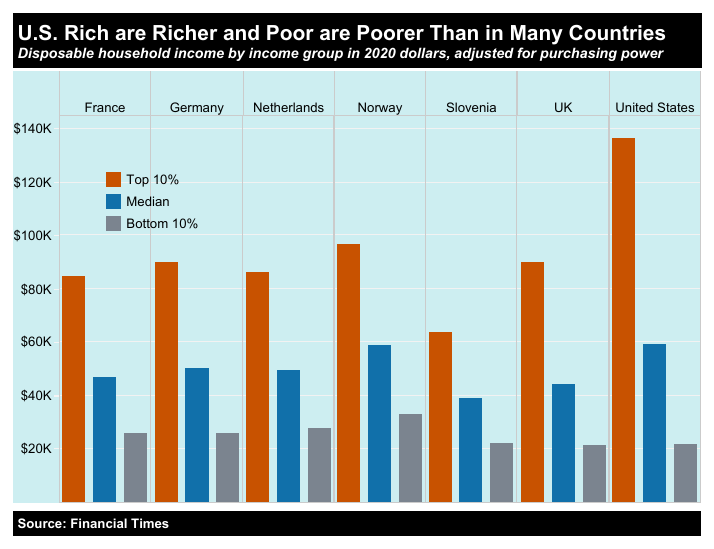
While the richest Americans are richer than their counterparts in many other advanced economies, the poorest 10 percent of U.S. households have disposable income that lags those of the poorest 10 percent in many other countries — even the tiny eastern European nation of Slovenia. For an interactive version of this chart, check out a new commentary by High Pay Centre Executive Director Luke Hildyard at the link below. |
|
|
Inequality.org runs on the loving labor of a small team of researchers, writers, and advocates. More than anything, all of us involved believe deeply in the power of everyday people to come together to accomplish something big! We’ve built this operation around our weekly newsletter, and our paid subscribers make this newsletter possible with monthly donations. Join the ranks of our paid subscribers: Start today. |
|
|
Inequality.org | www.inequality.org | inequality@ips-dc.org Institute for Policy Studies
1301 Connecticut Avenue Ste 600
Washington, DC 20036
United States
Managing Editor: Chris Mills Rodrigo
Co-Editors: Sarah Anderson, Chuck Collins, Bella DeVaan, and Sam Pizzigati |
|
|
|