A weekly newsletter from the Institute for Policy Studies |
|
|
Musk’s big stock market day,
the World Cup wealth lie, and real progress on faster union contracts |
|
|
|
Back in 2013, our ace Inequality.org analyst Bob Lord authored a column he titled Our First Trillionaire: Only a Matter of Time. At the time, he hoped the piece would age poorly.
“After all,” Bob wrote, “the presence of a trillionaire on American soil would certify that we had unquestionably reached an oligarchic concentration of our nation’s wealth.” Unfortunately, Bob’s prediction has aged all too well. If this week’s SpaceX IPO goes as expected, Elon Musk will hold the world’s first trillion-dollar fortune.
Amassing wealth at that scale has nothing whatsoever to do with gaining the wherewithal to buy still another private jet or send your kids — Musk has 14 — to elite universities. Hitting 13 digits boils down to a power grab, pure and simple.
Imagine the damage Musk could do with that power. As a mere mega-billionaire, he’s already used his political muscle to decimate federal services — with catastrophic consequences. His DOGE termination of USAID funding alone has cost an estimated 750,000 lives worldwide.
Could the advent of the Trillionaire Age spark a backlash against oligarchy? We’re seeing some glimmers of hope. Hawaii has just become the latest state to hike taxes on the rich. And, as we note below, the U.S. House actually appears poised to pass bipartisan legislation that would help workers stand up to billionaire-owned, union-busting corporate giants like Amazon and Starbucks. All long journeys start with single steps. Sarah Anderson
for the Institute for Policy Studies Inequality.org team |
|
|
|
INEQUALITY BY THE NUMBERS |
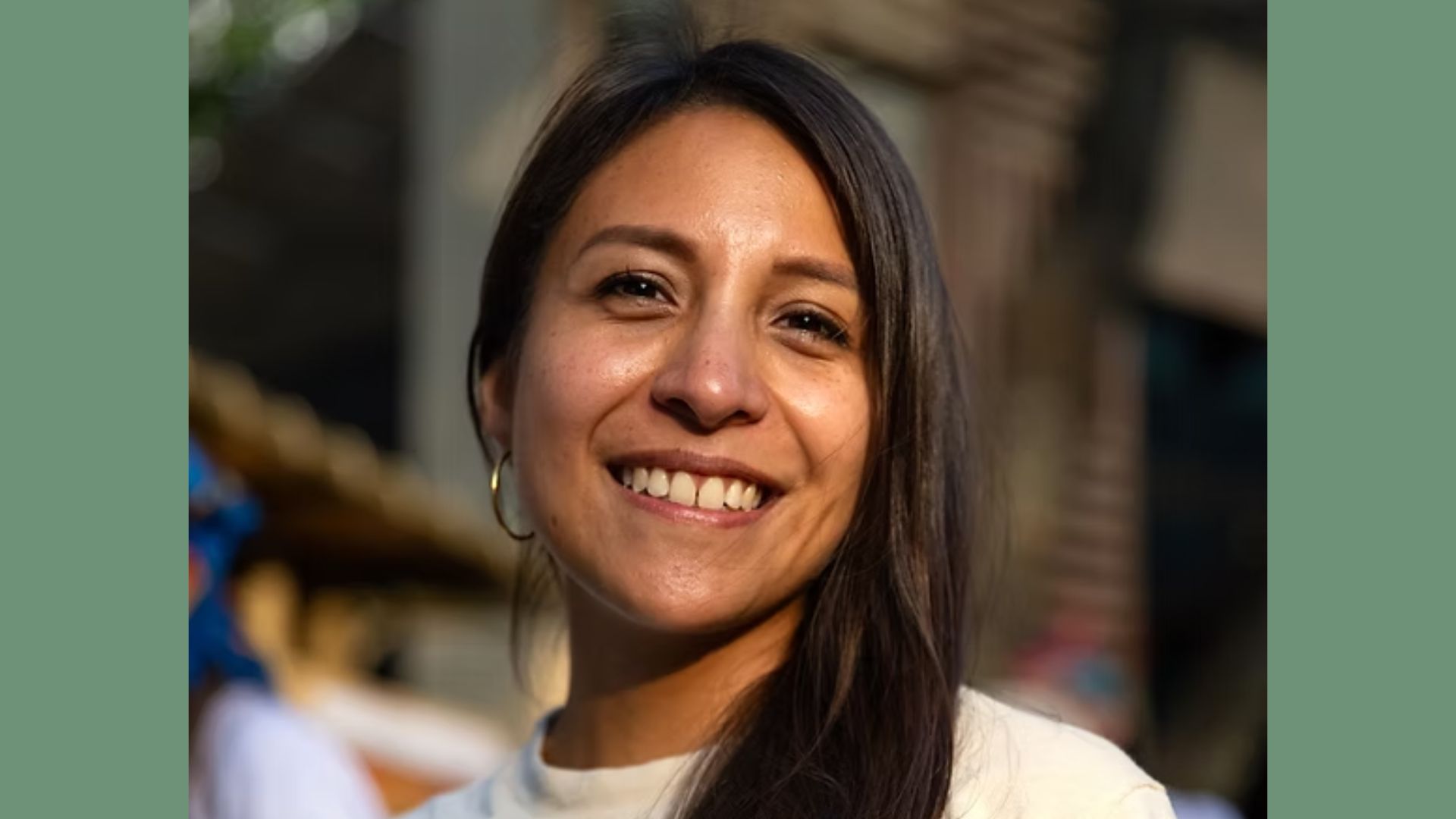
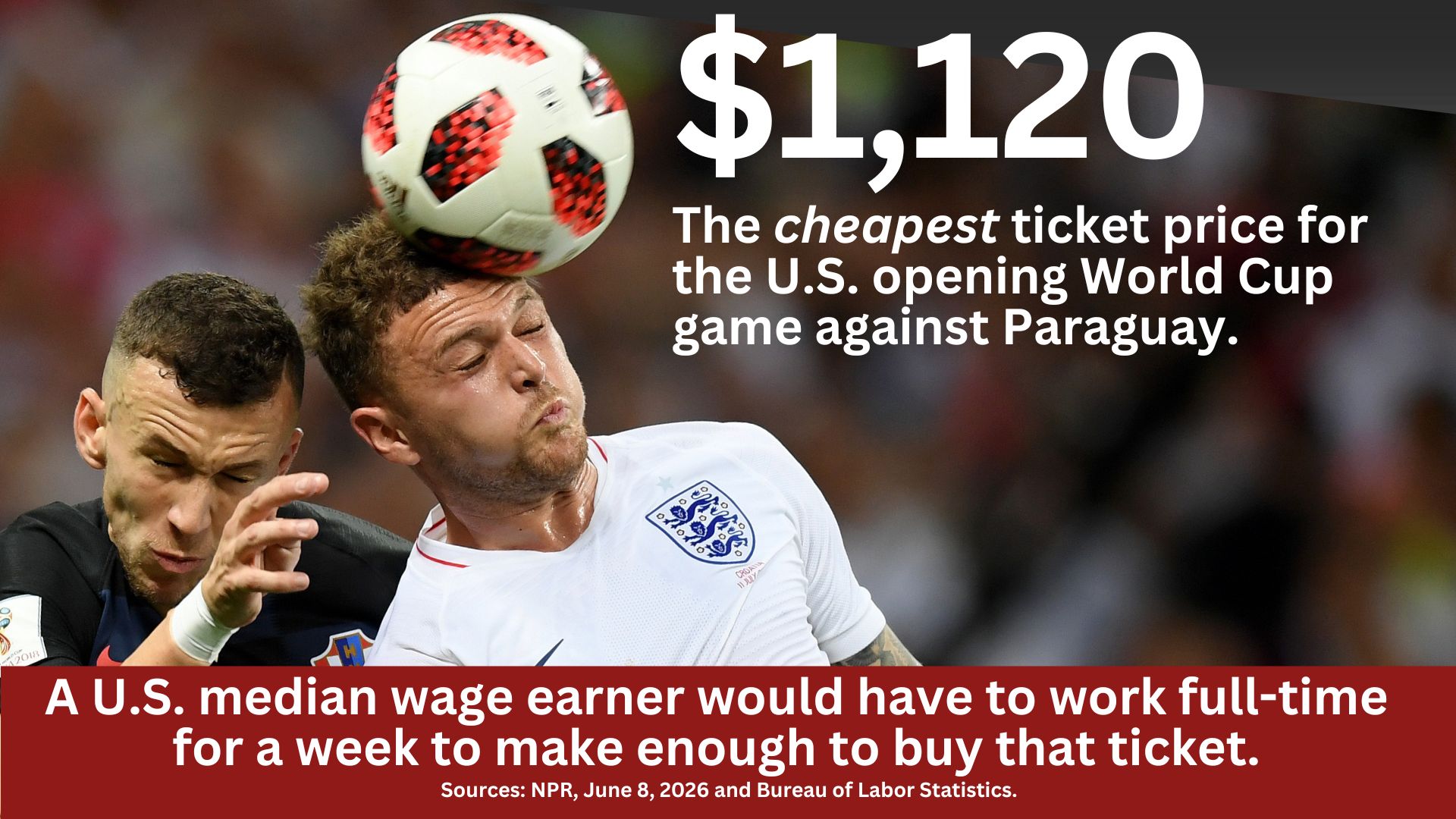
Who Really Profits from Hosting the Games of the World Cup? This week’s frontline face: Myriam Hernandez, the Latin America and Caribbean regional coordinator for the Fight Inequality Alliance, a group mobilizing to pressure governments worldwide to protect their citizens from the ongoing cost-of-living crisis.
What she's doing to help create a more equal world: As part of her broader work fighting inequality, Hernandez has been ringing the alarm about how this year’s World Cup is leaving one of its host nations, Mexico, worse for wear.
Mexico has diverted billions of dollars that could have gone to public needs — think education or health care — into building the infrastructure needed to host World Cup games. Despite that investment from Mexico, FIFA, the outfit that runs the World Cup, won’t even pay taxes on the revenue the games generate.
Maybe worst of all: The millions of Mexicans in love with the beautiful game won't even be able to afford tickets to a tournament their tax dollars are subsidizing. What makes this fight so important: "Soccer is played, paid for, and celebrated by the Global Majority, we the 99%," Hernandez writes in a recent piece for Inequality.org.
With working people “struggling daily with the cost of living," she continues, the income the World Cup generates should be prioritizing ordinary people and defending their rights “rather than feeding the endless greed of the 1%, FIFA fat cats, and the super rich." To read the rest of the Hernandez analysis, just click the link below. |
The House Has Actually Passed a Bill to Curb Union-Busting
Winning a union election can be a jubilant experience. Workers can finally celebrate after beating back corporate misinformation and threats from bosses. But, all too often, these celebrations turn into frustration and despondency as employers drag out contract negotiations for months and even years.
Thankfully, the House voted Wednesday to step in and confront this corporate misbehavior. The labor movement-backed Faster Labor Contracts Act will now move to the Senate after winning over key Republicans votes. The legislation, if enacted, will require employers to begin bargaining with workers within 10 days of a worker vote to unionize. Disputes between management and union, if not resolved after 90 days, would go to mediation. Ensuring that unions can secure a first contract in a timely matter, Teamster nurses Sarah Johnson and Jason Fratangelo wrote for Inequality.org last fall, would help transform the labor movement. Check below for their reasons why. |
PETULANT PLUTOCRAT OF THE WEEK |
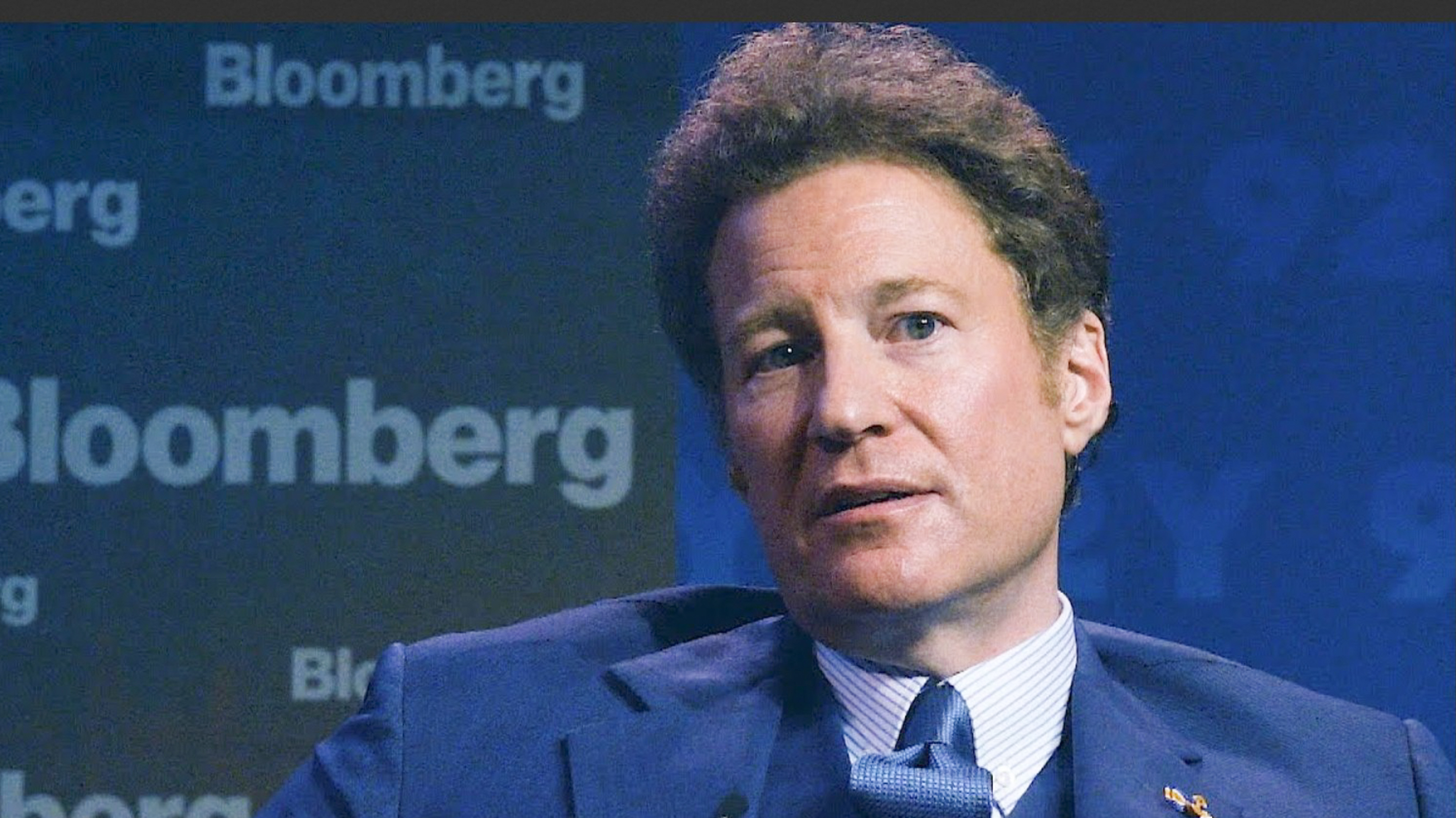
This Precious Metal Billionaire Finds Panthers Incredibly Precious
This week’s dour deep pocket: Thomas Kaplan, an investor who’s built a billion-dollar fortune focusing on silver mining and other precious metals. He’s also, among many other claims to fame, founded Panthera, a global charity devoted to protecting the world’s big cats and their fragile ecosystems.
What has Kaplan sour: journalists who wonder how he squares his interest in environmental protection with the destructiveness of the mining industry. One of those journalists, Benji Jones of Vox, questioned Kaplan about that contrast earlier this year after the mining magnate donated all the proceeds from an $18-million auction sale of one of his many Rembrandts to his Panthera charity. Jones last month related Kaplan’s brusque response: “I’m not going to spend time on educating you about why mining has a very, very tiny footprint when you compare it to agriculture and climate change.” Kaplan then went to claim that mining has no detrimental impact on wild cats.
But metal mining, experts have told Jones, “can destroy habitat, leach chemicals into the environment, and accelerate other threats” like the deforestation that threatens the big cats Kaplan so admires.
The last word: The wealthier the wealthy get, notes Stephen Prince, an activist with Patriotic Millionaires who made his fortune in the gift card industry, the more they live “enshrouded in a bubble of protection that allows them to ignore reality.” |
|
|
|
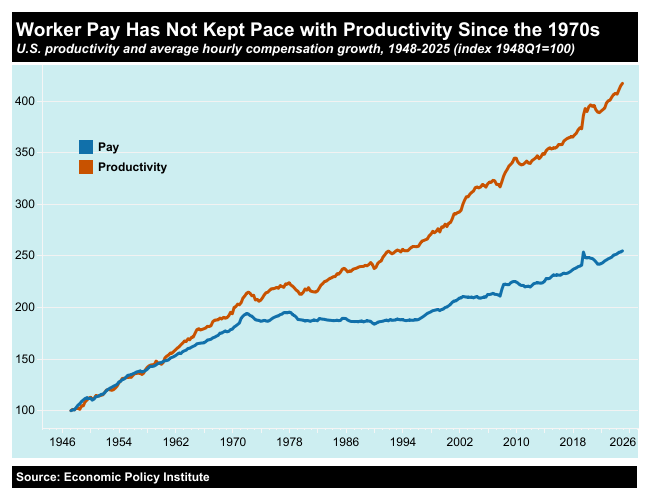
A major driver of today’s inequality crisis is the ever-growing divide between worker productivity and wages. Historically, these indicators rose roughly in tandem. But since the 1970s, workers have no longer reaped the same rewards from productivity gains. From 1979 to 2025, average hourly compensation increased just 33.6 percent (after adjusting for inflation) while worker productivity increased 92.4 percent. |
|
|
|
What's new on Inequality.org
Michael Huggins, Big Tech Built a Gig Economy That Works Against Us. Surveillance pricing is squeezing workers dependent on the gig economy — especially Black workers. The first step to fighting back: algorithmic transparency.
Gabriela Ramirez-Perez, Working Families Are Paying the Price for Wage Stagnation. Lawmakers have passed the buck on raising the minimum wage. Voters are taking matters into their own hands.
Lena Simet and Anna Bacciarelli, AI Runs the Global Gig Economy. Governments Must Respond. At the International Labour Organization, governments must find a way to codify protections for gig workers — and regulate their AI bosses.
Elsewhere on the web
Nancy Folbre, Tax the Rich and Save the World, Dollars & Sense. The growing visibility of wealth concentration is rousing a coalition of economists, lawmakers, labor unions, and the worried rich who are pushing back against four decades of trickle-down orthodoxy. Their message is gaining traction.
Thomas Piketty, Lucas Chancel, Cornelia Mohren, Rowaida Moshrif, Moritz Odersky, and Anmol Somanchi, A good life for the 99% isn’t a pipe dream: it can be done. Here’s how, The Guardian. Imagine a future where 90 percent of the world’s people double their income but work half the hours we work today. We can actually achieve that and so much more.
Matt Stoller, A Billionaire Explains Why American Business Now Feels like the Mafia, BIG. In a new autobiography, billionaire media baron John Malone describes how he helped turn America into a society where greed rules.
Christine Bacon, Why I Turned Global Inequality into a Play, Equals. The new British play “A Fine Idea” examines not just the scale of global inequality, but how normalized global inequality has become, a “fact of life” rather than the consequence of political choices.
Sam Sutton and Declan Harty, The Wall Street housing ban is just the beginning, Morning Money. Private equity has become a shorthand for a broader problem: the purchase of incredibly important social products by massive companies driving to extract as much profit as possible.
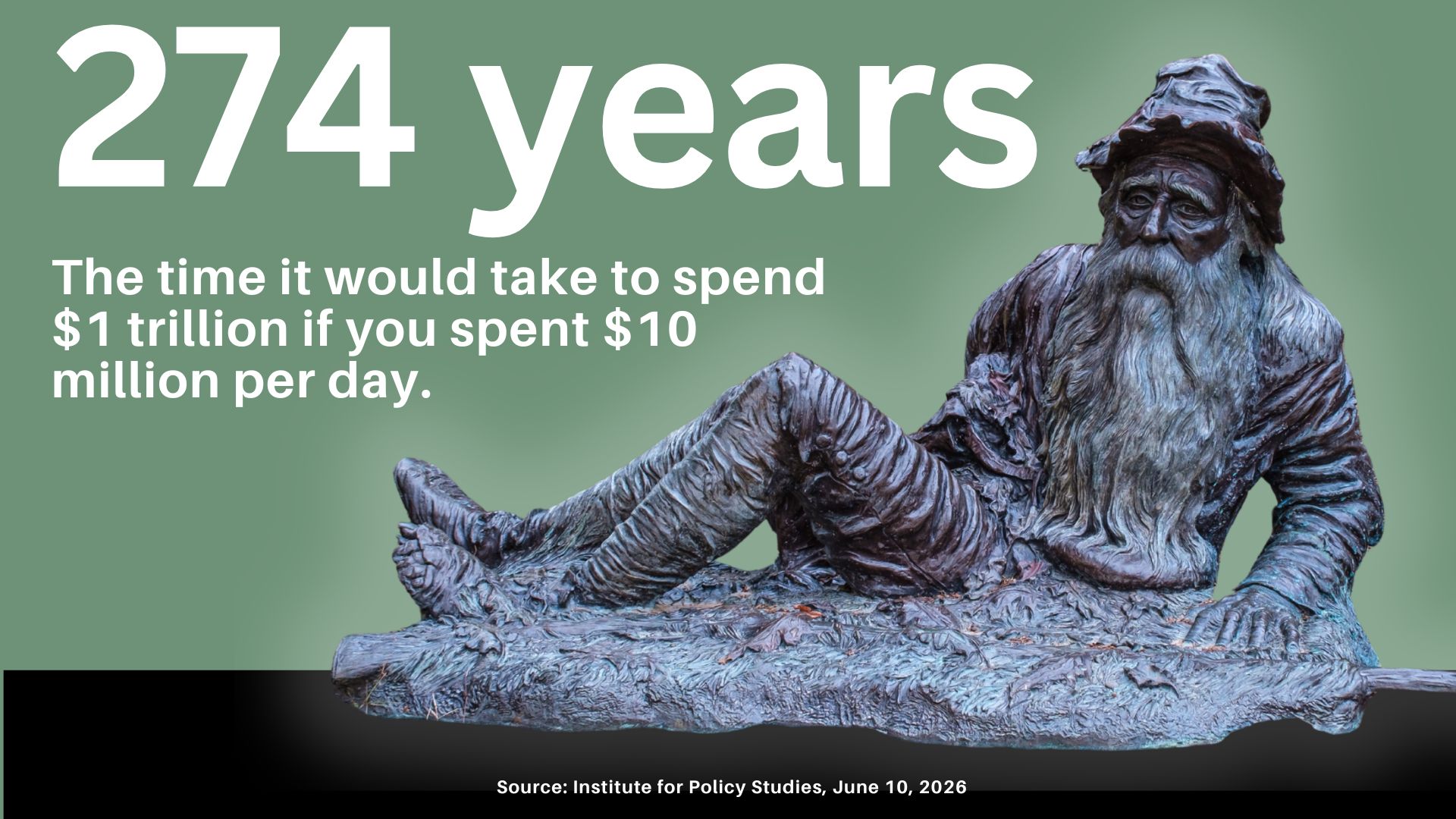
Cam Deal, Elon Musk's massive pay deals equate to CEO-worker pay gap that spans lifetimes, The Cool Down. At half of 500 major U.S. corporations, a new study details, typical employees would need to labor over two centuries to earn what their CEOs pocketed last year.
Lisa Needham, There are no good billionaires—but a couple are better than others, The Daily Kos. Over the last decade, U.S. billionaires worth a collective $5.7 trillion have donated 3.25 percent of their vast fortunes. By contrast, people annually earning under $50,000 give about 14 percent, while people making between $50,000 and $100,000 donate about 7.8 percent.
Robert Reich, The Coming Revival of America, Substack. Even before Trump, inequalities of income and wealth were worsening. But Trump has opened our eyes to the corrupting consequences of extreme greed. James Rodriguez, San Francisco's real estate market is off the rails, Business Insider. The AI-fueled hyper concentration of extreme wealth has made San Francisco’s housing the nation’s most costly. |
|
|
|
Monthly Donors Make This Read Possible! |
Inequality.org, an Institute for Policy Studies nonprofit project, depends on donations to keep this newsletter free and available to all readers. Your monthly gifts make all the difference in the world, whether you can donate $3 or $300 a month. {{if --[[Inequality Sustainer, 60 day gifts]] SavedSearch_523974}}Thank you for being a monthly donor. You can head to our self-service page at any time to see your giving history and make changes to your subscription.{{else}}Ready to give a few bucks a month? Sign up today.{{end}}
|
|
|
|
Inequality.org | www.inequality.org | inequality@ips-dc.org Institute for Policy Studies
1301 Connecticut Avenue Ste 600
Washington, DC 20036
United States
Managing Editor: Chris Mills Rodrigo
Co-Editors: Sarah Anderson, Chuck Collins, Bella DeVaan, Reyanna James, and Sam Pizzigati |
|
|
|
|